Scene: A charming boutique. You’re drawn to a necklace with a large, warm, honey-colored gem. The tag says “Citrine.” The price feels… surprisingly reasonable. Almost too reasonable for a stone that size. Your brain, conditioned by tales of rare gems, whispers a question: “Is this cheap because it’s fake?”
Let me stop you right there. As someone who’s worked with gems for years, I can tell you: that’s the wrong question. The right question is more fascinating: “Is this affordable because we’ve mastered turning common purple stones into sunny yellow ones?”
The answer is yes. And understanding this is the key to buying citrine intelligently. This isn’t a story of scarcity, but one of alchemy, market savvy, and brilliant geology.
“In the gem trade, we don’t call most citrine a ‘treated stone.’ We call it a ‘product.’ Knowing the difference saves you from both overpaying and undervaluing it.”
Here’s the core truth that defines citrine’s price: Over 95% of the vibrant yellow and orange citrine on the market started its life as amethyst.
Amethyst is purple quartz. Heat it in a kiln at a specific temperature (around 450-550°C), and the iron impurities within oxidize, transforming the color from regal purple to sunny yellow or deep amber. This isn’t a shady practice—it’s a stable, permanent, and universally accepted enhancement. The material is still genuine quartz. It’s just been given a sun-kissed makeover.
Why does this matter for price? Amethyst is abundant, especially from massive deposits in Brazil. This abundant, inexpensive rough material becomes the feedstock for the citrine you love. The supply chain is efficient, which keeps costs down. Natural, unheated citrine of a vivid color is far rarer, which is why it commands a premium—sometimes 5 to 10 times more than its heat-treated twin.
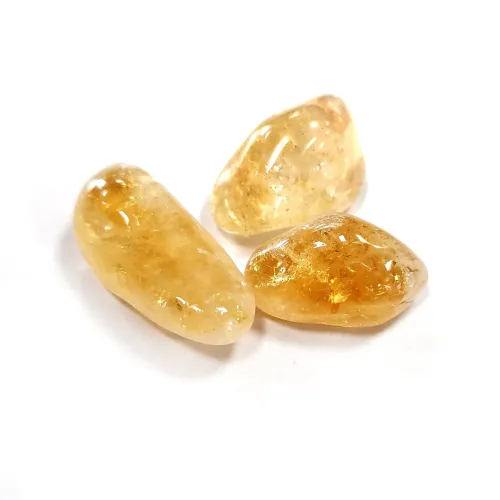
The color spectrum in citrine: from pale lemon (more likely natural) to deep Madeira amber (almost always heat-treated). Both are “real,” but their stories and price tags differ.
Forget vague “per carat” ranges. Let’s talk about what you actually get for your money. Think of citrine in three tiers:
| Tier | What You’re Buying | Typical Price Range (for a 5-carat faceted stone) | Best For |
|---|---|---|---|
| The Accessible Sunshine | Heat-treated citrine (from amethyst). Good clarity, vibrant uniform orange/yellow. The workhorse of jewelry stores. | $50 - $200 total | Statement jewelry, birthstone gifts, fashion pieces. You want big, bold color without a big price. |
| The Natural Collector | Paler, natural citrine. Often a light champagne, lemon, or smoky yellow hue. May have subtle color zoning. | $200 - $800 total | The purist who values geological rarity over color intensity. Often smaller, more delicate pieces. |
| The Premium Exception | Top-grade, richly saturated NATURAL citrine (e.g., from rare deposits). Eye-clean, fine cut. Extremely rare. | $800+ total | Serious collectors and connoisseurs. This is an investment in rarity, not just beauty. |
See the gap? The vibrant stone in the boutique window is almost certainly from Tier 1. Its affordability is its superpower, not a red flag.
Short answer: Maybe, if you’re careless. Long answer: Heat-treated citrine is more prone to fading in prolonged, direct sunlight (think a south-facing window display for months). The color centers are stable for everyday wear, but intense UV is their kryptonite. Natural citrine is more stable.
Takeaway: Don’t leave it on a sunny windowsill as decor. Wearing it daily is fine. This is a care issue, not a deal-breaker.
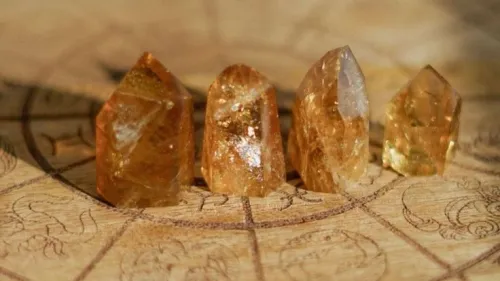
Two simple, safe tests:
This is citrine’s prime value proposition.
When you’re ready to buy, use this language to sound informed and get what you want:
You: “I love this citrine. Can you tell me if it’s heat-treated?” (An honest seller will say yes, 99% of the time. If they insist it’s “all natural” on a deep orange stone, be skeptical.)
You: “That’s fine, I know that’s standard. I’m mainly concerned about the color consistency and any visible inclusions.” (This shows you care about quality within the treated category.)
You: “What’s your advice on care? Should I worry about sunlight?” This frames you as a conscientious buyer, not a naive one.
Stop judging citrine by the standards of rubies or emeralds. It plays a different game. Citrine is the gem world’s greatest success story in accessible luxury.
Its affordability isn’t a flaw; it’s the result of ingenious application of earth science and a transparent (if not always advertised) supply chain. You are not paying for deep-earth rarity. You are paying for skilled transformation, consistent beauty, and a durable, wearable piece of joy.
Buy it for the warmth it brings to your skin and the lightness it brings to your wallet. That’s the true value of the sunshine stone.


$
