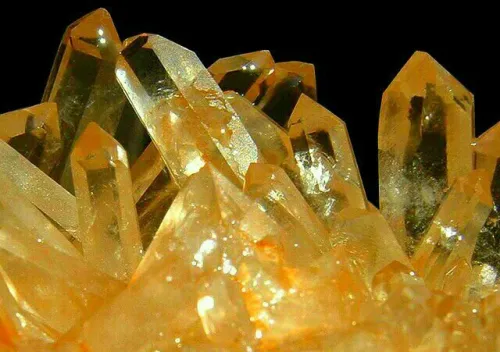
You might be scrolling through astrology forums, browsing jewelry stores, or considering birthstone options when this questions pops up. Suddenly, you start wondering: Is citrine really compatible with my Cancer zodiac sign? What if the color clashes with my wardrobe? Will it withstand daily knocks? Beyond the main query, there are always smaller puzzles – like identifying genuine citrine, understanding how lighting changes its look, or simply knowing if it feels comfortable long-term. We've structured this guide to unpack all these practical questions, step by step.
1. What to know about Cancer and citrine compatibility
2. What influences citrine’s properties and safety for wearers
3. How real users experience citrine jewelry day-to-day
4. Key visible signs indicating citrine quality
5. Practical approaches for comfortable daily wear
6. Responding to common citrine questions and confusion
Ultimately, wearing citrine boils down to personal preference and comfort rather than astrological restrictions. Its sunny hue offers a warm contrast to Cancer’s water element, which some find visually appealing or emotionally uplifting when worn.
Citrine belongs to the quartz family, primarily silicon dioxide with iron traces. This composition isn’t reactive with skin chemistry, minimizing most compatibility concerns with metals or alloys. The thing is, color perception varies in different lights – citrine can appear brighter outdoors but adopts warmer indoor tones. If selecting stones based on perceived energetic effects, remember individual responses to gemstones vary greatly. A piece that feels invigorating to one person may feel neutral to another, which stems from personal differences rather than material flaws.
Citrine’s wearability largely depends on material properties like its hardness and structural integrity.
With a hardness of 7 on the Mohs scale, citrine tends to resist scratches from everyday materials but may acquire minor abrasions from diamond jewelry or frequent contact with coarse surfaces. Trace elements like iron influence its color stability; while most hues stay consistent, some crystals may show modest color zoning when examined closely. This occurs due to uneven element distribution during formation. At some point, citrines often encounter temperature shifts. While generally heat-resistant, extreme thermal variations can potentially cause inner fractures if the stone has existing inclusions. Natural inclusions themselves don’t harm functionality, but densely included areas might affect light return in jewelry.
Most wearers find citrine rings or pendants comfortable for consistent wear, with common feedback centering on its cheerful appearance and maintenance ease.
Surface shine can gradually become less intense after several years, particularly near prongs or high-friction edges. That said, gentle cleaning with mild soapy water helps maintain clarity. Texture plays a major role in long-term comfort – well-polished citrine feels smooth against skin. For something worn daily, this matters more than temporary looks. Under artificial lights, like mall displays or warm indoor bulbs, the stone can turn richer and more amber-toned. This lighting effect doesn’t indicate quality issues; it’s an inherent optical trait.
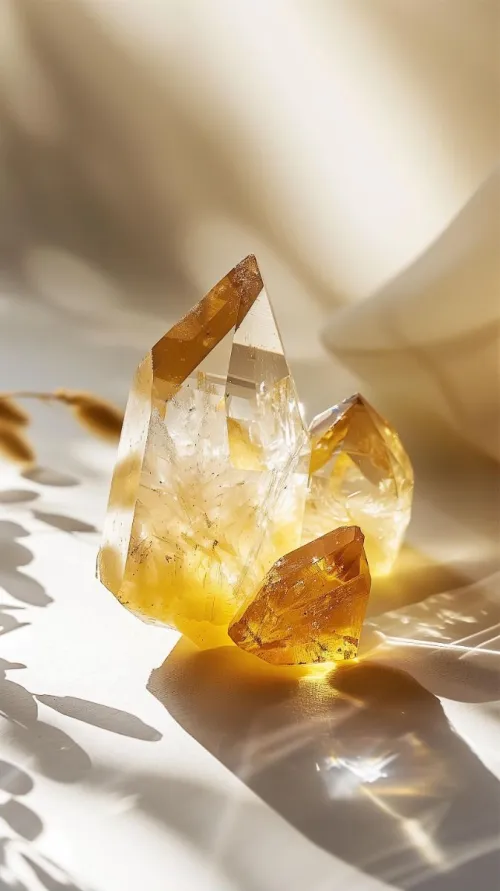
When evaluating citrine, focus on observable features like color consistency, cut precision, and surface condition.
You can integrate citrine jewelry into routine wear by considering setting types, exposure habits, and simple care.
Rings or bracelets take more knocks than pendants. Choosing bezel or halo settings protects vulnerable edges better than prongs. Citrine can usually handle minor sweat exposure without discoloration, but removing pieces before pool dips is wise. That chlorine can subtly cloud surfaces over time. At some point, you'll wonder about storage. Tossing citrine loosely with diamonds or sapphires risks scratches – softer stones pay the price. Dedicated pouches prevent this. For cleaning? Lukewarm water drops with mild detergent maintain shine without risks found in ultrasonic cleaners.
Let’s separate common myths from documented facts regarding citrine interactions and changes.
Sunlight doesn't "power up" the stone; prolonged UV exposure barely affects well-formed citrine. While rare, some very pale stones might see faint lightening after years. As for compatibility with Cancer water-based associations? The ocean won’t ruin your necklace – saltwater rinses off. However, thermal shocks from hot tubs to icy drinks could threaten brittle pieces. Value-wise? Citrine in jewelry doesn’t typically increase in monetary worth over time, though preserving condition supports long-term enjoyment.
If you retain just three ideas, focus on: Citrine’s mineral hardness supports daily use; lighting impacts its look dramatically; and your personal comfort matters much more than external “shoulds.” When deciding about a piece, hold it near a window versus under indoor lights – this reveals its most common faces. Ask yourself: Does the texture feel comfortable? Does this yellow harmonize with my preferred palettes? Those answers offer sounder guidance than zodiac charts or mystical claims.
Q: Can wearing citrine improve mood?
A: Some people report positive associations with citrine’s sunny hues, though this experience isn’t guaranteed and varies person-to-person.
Q: Will citrine lose its color over time?
A: Most well-sourced citrine maintains color stability across decades, though very faint lightening may occur under constant intense UV exposure.
Q: How does it contrast with cancer’s birthstone?
A: Rubies and emeralds represent Cancer’s primary birthstones – citrine serves as a visually distinct mineral alternative rather than a substitute in meaning systems.


$
