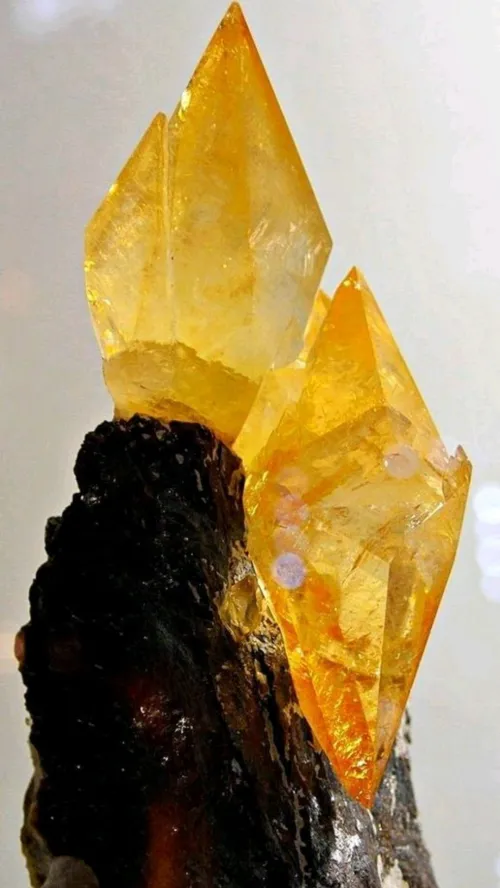
Picture this: You're browsing jewelry sites for birthstone ideas when vibrant citrine pieces catch your eye. Your Capricorn friend mentioned it suits their sign – but what if yellow isn't your color? You wonder not just about zodiac compatibility but practical stuff: Will it fade in sunlight? Does it clash with your corporate wardrobe? What's up with those brownish streaks? Suddenly you're down the gemology rabbit hole. We get it. Whether you encountered citrine in astrology groups, museum exhibits, or TikTok unboxings, this guide cuts through the noise with grounded facts about its real-world wearability. We'll address color shifts under different lighting, durability concerns for daily use, spot treatments versus natural stones, and why inclusions actually add character – no mystical jargon or spiritual claims attached.
1. How does citrine complement Capricorn traits?
2. What affects citrine's physical properties and longevity?
3. How to practically integrate citrine into daily wear?
4. What do wearers actually experience long-term?
5. How to recognize quality citrine visually?
6. What widespread myths need clarifying?
Citrine's warm yellow hues visually align with Capricorn's earthy aesthetics, but comfort and practicality dictate actual wearability. Its quartz-based hardness makes it suitable for rings or bracelets that endure daily friction.
The gem's yellow-to-amber color spectrum tends to complement neutral palettes – think caramel sweaters or camel coats. However, lighting dramatically shifts appearances. Under office fluorescents, pale citrine can look washed out, while sunset-like tones maintain richness. Since Capricorns may gravitate toward classic styles, consider how its transparency interacts with metals: White gold settings heighten cool undertones in lemony stones, whereas rose gold deepens honey hues. Trace iron impurities cause the signature warmth some wearers associate with grounding. Just remember, design impacts perception far more than cosmic alignment. A statement ring may project your ambitious side during meetings, but that's psychology – minerals don't transmit zodiac energy.
Citrine's durability depends on natural formations versus treatments, though daily wear rarely degrades any variety. Its color responds noticeably to light exposure and environmental factors over time.
The quartz structure rates 7 on the Mohs hardness scale – hard enough to withstand keys in your pocket but susceptible to sharp knocks against marble counters. Heat-treated citrine (often sold as "Madeira") typically shows more consistent color than natural stones but may develop surface fogging after years of hand-washing. Light exposure plays the biggest role: Sunlight boosts saturation temporarily, while prolonged ultraviolet exposure can fade deeper hues over a decade. Artificial lighting reveals surprises too! Gas station LEDs might mute golden tones that sung in daylight. Temperature shifts matter less unless you're switching between saunas and ice baths daily. The thing is – citrine changes subtly enough that few notice until comparing new versus decade-old pieces.

From stackable rings to pendant necklaces, citrine adapts well to everyday jewelry with mindful placement. Prioritize settings that protect its edges during active moments.
Choose bezel or halo settings for gym days since unprotected edges can chip against weights. The transparency rewards different cuts: Step cuts highlight clarity for boardroom pieces, while brilliant faceting amps sparkle in candlelight dinners. Notice how clothing textures interact – matte citrine cabochons elevate chunky knits, whereas faceted stones pop against silky blouses. For work bags or keychains? Maybe skip dangling citrine charms since repeated bag drops risk surface abrasions. At some point, you'll consider skin contact: Citrine rarely irritates but if you react to nickel in alloys, choose sterling silver or gold settings. Clever integration means knowing when citrine stars versus supports – pair tiny citrine studs with that tiger-eye necklace without making your neckline look like a rock exhibit.
Long-term wearers report appreciating citrine for its low-fade warmth and scratch resistance, though sizing and comfort deserve attention during selection.
Regular citrine ring users often note how the stone gathers microscopic abrasions on its surface, reducing brilliance until polished – but major scratches aren't typical. Bracelets? Their rounded beads endure better than flat earring backs catching on scarves. Skin tones factor into satisfaction: Those with cool undertones might prefer pale champagne citrine over orangey "Cognac" versions. Try stones against your wrist veins; blueish veins typically pair best with icy yellows. Online shopping adds risk: Photos misrepresent amber stones as neon yellow. Reduce returns by asking vendors for video under both LED and window light. Also notice the band – heavy citrine pendants drag chains into your decolletage during meetings. That said, well-distributed weight like tennis bracelets minimizes discomfort after eight hours.
Judge citrine quality primarily by color consistency and clarity under magnified view, avoiding oversaturated "bargains" that signal treatments.
Natural citrine usually displays subtle zonings – think faint tiger stripes visible at certain angles. Uniform electric orange often comes from heated amethyst. Surface-level checks tell important stories: Hold the stone near a single light source and slowly rotate it. Quality cutting shows symmetrical reflections; cheap jobs create dead patches. Cloudiness near the bottom indicates glued doublets. Under a loupe, natural inclusions appear wispy or crystalline, while synthetic stones show gas bubbles. Be wary of intense "burnt orange" tones in small stones – high prices don't mean better when it comes to long-term stability. Your fingers know quality too: Sharp facet junctions snag cloth? Subpar polishing. Settings covering 40% of the stone? Might conceal fissures.
Despite popular claims, citrine's color doesn't inherently shift with your mood or zodiac phases, nor is all dark citrine naturally formed.
The belief that citrine attracts wealth? That's marketing – no studies confirm mineral-based prosperity. Regarding care, moonlight cleansing is unnecessary; warm soapy water maintains gleam effectively. Sunlight energy-boosting claims? While daylight temporarily intensifies color via optical physics, vitamin D benefits come from your skin exposure – not the stone. People often confuse citrine with topaz; citrine's glassier luster and lower density help tell them apart. As for "generating energy" – temperature tests prove citrine matches your body heat within seconds, confirming thermal conductivity instead of energy fields. If one thing trips buyers up, it's assuming darker means rarer; deep amber pieces are commonly heat-treated quartz rather than natural finds.
If you remember just three things when selecting citrine, let them be: Check color under both lamp and daylight to avoid mismatches, verify secure setting protects against impacts for daily wear, and expect subtle tone variations over years rather than sudden changes. Before buying, examine inclusions under magnification – irregular patterns indicate natural stone integrity. Ultimately, choose hues that match your dominant metals and wardrobe neutrals. Like assembling investment pieces, weigh durability against emotional resonance. Your personal comfort determines true compatibility far more than birth charts ever could.


$
