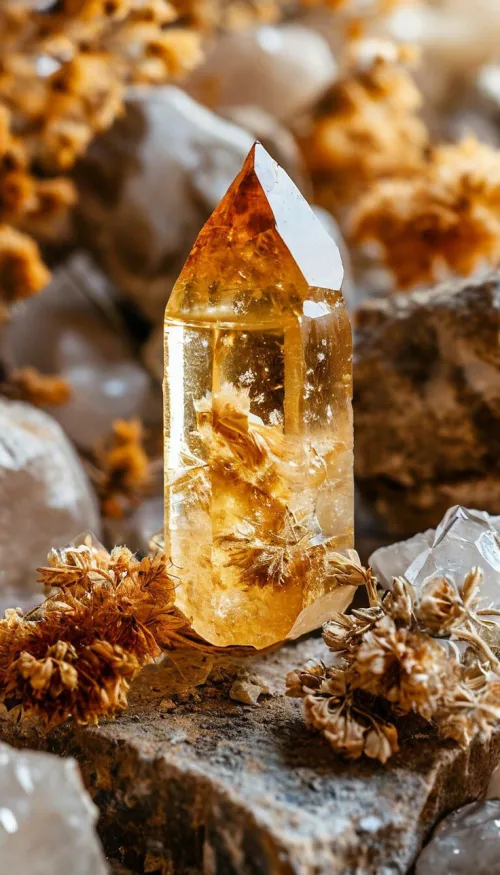
Picture yourself browsing gemstone collections online or at a local jeweler when vibrant yellow citrine catches your eye. As an Aries, you might wonder: Does this stone actually suit my star sign or is it just another trend? You’re not alone. Beyond the core compatibility question, practical concerns flood your mind: How do I spot real citrine versus synthetic versions? Will the color fade over time? What should I know about care and wear? Why do some wearers swear by certain stones? This guide tackles all those tangible questions head-on—no vague mysticism or cosmic mandates. Instead, we’ll break down geology, physical performance, and styling contexts so you can make informed choices based on observable traits.
1. What makes citrine compatible with Aries traits?
2. Which factors impact citrine's suitability?
3. How does citrine perform in everyday wear?
4. How to gauge citrine quality and authenticity?
5. What common inquiries arise around citrine?
People associate citrine with Aries primarily through symbolic interpretations of shared qualities like energy and motivation rather than strict metaphysical rules. The stone’s warm golden tones often mesh well with Aries' preference for vibrant expressions. What matters more than cosmic alignment is your personal resonance with the gem—whether its color complements your style or it feels substantial when worn.
Citrine forms through natural geological processes that create its signature coloration, which can range from pale lemon to rich amber. Its structure features a hexagonal crystalline lattice, refracting light subtly without overwhelming sparkle. This restrained brilliance lends itself to versatile wearability. If you’re drawn to gem symbolism, citrine might align with expressions of vitality often linked to fire signs. That said, the decision remains entirely personal. In symbolic contexts, the pairing focuses on perceived traits like dynamism or drive in the wearer. Ultimately, citrine offers lasting functional versatility whether chosen for symbolic reasons or pure aesthetics.
The way citrine "works" for individuals depends on tangible factors like color intensity, lighting contexts, and how consistently it’s worn. Deeper amber stones tend to show color best indoors under artificial light, while paler variants shine outdoors. How you experience citrine relates to your subjective preferences around hue saturation and context visibility.
Light exposure may alter appearance, with intensity increasing under natural sunlight throughout the day. Citrine maintains stable dimensions long-term with minimal measurable weight change even across seasons. Pairing it with different clasp materials like sterling silver introduces no chemical reactions but affects aesthetic integration—contrasting metals create visual pop while matching tones provide subtlety. Color variations, stemming from silicon dioxide composition tinted by iron impurities, influence perceived warmth on wearers. Deeper hues can enhance aesthetic preferences for some. The crystal’s hexagonal structure refracts light efficiently, but this isn’t indicative of efficacy—just optical properties observable in any well-cut quartz.
Most wearers find citrine comfortable for daily use because its smooth finishes cause minimal skin irritation during extended contact. Some may notice minor surface scratches after months of wear, but these generally won’t compromise its decorative role.
Routine care involves simple maintenance: Gently wipe the gem with mild detergent using a soft cloth to maintain its optical clarity. Citrine boasts notable durability with a Mohs hardness of 7, resisting common abrasions like keys or coins in pockets. For settings, prong designs maximize light exposure while bezel settings shield edges from knocks. Position the stone to face outward when wrist-flicking motions are common to minimize impacts. Environmental factors like water exposure rarely affect integrity if promptly dried—no specialized storage needed, though keeping it separate prevents harder gems from scratching softer items alongside. Many individuals report potential increases in feelings of optimism alongside consistent use, possibly tied to the stone’s sunny visual nature rather than intrinsic properties.

Authentic untreated citrine typically shows minor irregularities under magnification along with subtle hue variations. Synthetic stones often display uniform saturation too vivid for natural formations.
Natural citrine can exhibit color variations from light lemon to amber based on geological conditions during formation. Its composition includes silicon dioxide with trace iron impurities creating that yellow spectrum. Under magnification, authentic stones frequently show unique inclusions like tiny veils or crystalline patterns—not as flaws but signatures of natural origin. Synthetic or treated alternatives often appear flawless with suspiciously uniform coloring.
When purchasing online, compare vendor images against verified geological specimens since digital rendering may enhance saturation. Look for retailers explicitly detailing origin and treatments.
Q: Does citrine require recharging under moonlight?
A: From a mineralogical perspective, all stones maintain structural stability without external "charging." Reported experiences of renewed vibrancy may stem from psychological expectations or regular cleaning exposing fresh surfaces.
Q: Can citrine fade if worn daily?
A: Extended direct sunlight exposure may intensify color temporarily but not cause permanent fading; citrine’s stable composition prevents significant hue degeneration under normal conditions compared to lighter gemstones.
Q: Should Aries avoid pairing citrine with other gemstones?
A: Material compatibility matters more than symbolic rules: Hardness on the Mohs scale determines wear impact. Since citrine ranks at 7, avoid layering it with diamonds or sapphires which could scratch it—sterling silver makes a neutral pairing.
Q: Does citrine’s origin affect its properties?
A: While Brazilian and Zambian citrines show different typical saturation depths, no evidence suggests efficacy varies by location. Differences lie in aesthetic qualities like color distribution and size availability.
If you take nothing else from this overview, remember that what matters most is selecting citrine that fits your lifestyle and visual preferences rather than prescriptive rules. Use physical indicators like color depth or imperfection patterns when evaluating authenticity—these observable clues always outweigh abstract claims. Finally, consider pairing it with lighter metals so its warm tones remain the focal point without competing elements. When chosen this way, citrine delivers lasting decorative value regardless of cosmic alignment theories. You’re ultimately the decider based on observable traits and tangible experiences.


$
