
Picture yourself browsing a jewelry artisan's market stall: a cuff bracelet catches your eye, its beads alternating warm, translucent citrine and rich, banded tiger's eye. Suddenly practical questions surface - will colors clash during office meetings? Could stones damage each other during gym sessions? Maybe you've even heard conflicting advice about energy compatibility. Beyond the main query about joint wearability, thoughtful shoppers often wonder about durability against everyday impacts, color shifts under different lighting, and long-term care for mixed-stone pieces. We'll address all these considerations step by step, using observable properties and material science insights.
1. Compatibility of Citrine and Tiger's Eye Jewelry
2. How Color Interaction Work and Design Choices Matter
3. Durability Factors When Wearing Them Simultaneously
4. Practical Styling Observations for Daily Wear
5. Evaluating Stone Quality and Authentic Characteristics
6. Long-Term Care Considerations for Paired Pieces
7. Separating Myths From Wearable Realities
Citrine and tiger's eye share sufficient geological stability for combined jewelry use. Their near-identical Mohs hardness rating significantly minimizes scratching risks compared to mixing stones with wider hardness gaps.
Both stones fall around 7 on the Mohs hardness scale, meaning they resist surface abrasion similarly during typical daily contact. Cabochon cuts commonly used for both further reduce friction points in bracelets or layered necklaces. That said, continuous micro-abrasion may occur over years at direct contact points during vigorous movement. Independent stringing techniques in multi-strand designs can prevent this by allowing each stone type to move separately. While some traditions associate metaphysical properties with these stones, we focus strictly on physical compatibility verified through jewelry-making best practices that avoid damage risks.
Citrine’s uniform golden hues often intensify tiger’s eye’s iron-oxide bands, creating complex textural interplay without clashing in warm-toned palettes.
The translucent honey-yellows of citrine can amplify the depth of tiger's eye's signature chatoyancy (that cat's-eye shimmer effect). Designers frequently leverage this relationship using two approaches: tonal harmony (pairing pale citrine with golden tiger's eye) or contrast play (matching deep amber citrine with chocolate-banded tiger's eye). Environmental factors influence perception too under harsh fluorescent lights, citrine may appear more vibrant while tiger's eye stripes gain subtlety whereas in natural daylight, both show greater variation in banding depth and transparency. Settings also manipulate appearance warm gold settings typically unify the color story while silver or platinum may heighten contrast between stones.
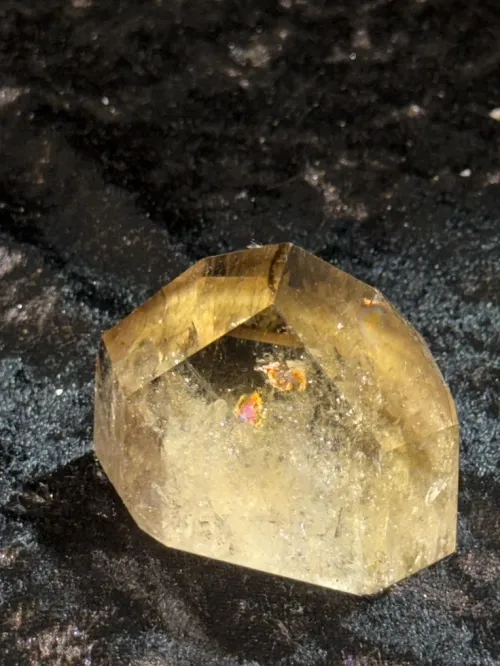
Daily durability depends more on jewelry construction than mineral properties since both stones share similar structural resilience against typical daily hazards.
Although citrine and tiger's eye won't readily scratch each other due to matched hardness, actual jewelry durability relates closely to how they're assembled. Beaded designs require uniform sizing to prevent uneven pressure on individual stones when bending wrists or moving. Prong settings in rings offer higher impact protection than bezels for frequently active wearers. Consider your daily exposures office workers face minimal stress beyond occasional bumps, while gardeners or mechanics may find bracelets vulnerable at stone contact points. Temperature swings and humidity changes cause negligible impact on either mineral, but prolonged moisture exposure may slowly degrade adhesives in complex settings requiring professional re-tipping every few years.
Visual success in mixed-stone jewelry comes from intentional design choices regarding scale, pattern complexity, and practical wearability across your typical settings.
Tiger's eye’s dramatic banding can overwhelm smaller citrine stones in tight patterns - maintaining consistent stone sizes balances this visual relationship. Observe how pieces transition across environments business-appropriate proportions may work with 6-8mm beads, while bold evening styles support larger 10-12mm combinations. Also note how different lighting changes the conversation under soft restaurant illumination, chatoyant flashes dominate, while midday sun reveals citrine’s internal characteristics. For versatility, alternating instead of random patterns creates predictable rhythm that pairs well across seasons and clothing styles. Ultimately, your most-reached-for piece will likely balance visual interest with comfort during extended wear.
Authenticity checks prevent disappointment when purchasing mixed citrine-tiger's eye pieces focus on observable natural features rather than certifications alone.
Natural citrine typically shows minor inclusions or color zoning while glassy perfection may indicate synthetic material. The telltale sign of genuine tiger's eye is well-defined chatoyancy at multiple angles a vague shimmer instead suggests lower grade material or imitation. Heat-treated amethyst marketed as citrine often displays reddish undertones and unusual clarity compared to authentic specimens. For durable joint settings, consider inclusion placement surface-reaching fractures weaken structural integrity, especially near drill holes or prong clasps. Professional appraisal remains wise for investment pieces validating the absence of enhancements affecting long-term stability some fracture-filled citrine degrades faster when contacting harder materials than genuine stones.
Sustaining beauty requires simple but consistent care protocols addressing both stones' properties while avoiding harsh cleaning methods that cause cumulative damage.
Cleaning protocols differ from single-material jewelry lukewarm soapy water and microfiber cloths safely remove oils without risking surface integrity. Crucially, avoid ultrasonic cleaners entirely vibration devices can worsen existing inclusions or degrade composite materials. Prolonged water exposure poses minimal mineral risk but may weaken silk threads or adhesives over decades. For storage, fabric-lined compartments prevent microscopic abrasions better than velvet actively absorbs ambient moisture. Notably, color stability varies between stones direct sun exposure over years may gradually fade citrine's vibrancy while typically not affecting tiger's eye's deeper coloration patterns.
Physical wearability differs significantly from symbolic claims both stones function excellently together when evaluated through material science parameters.
Common workshops hear unverified claims about "opposing earth energies" or "protective field creation." Our testing reveals purely physical realities both materials respond predictably to temperature, impact, and abrasion according to their structural properties. Alleged "vibrational interference" has no measurable effect on jewelry wearability. What does matter scientifically is prolonged surface contact creating micro-wear patterns visible under magnification after years of continuous rubbing. This normal material behavior explains why designers often include spacing beads or utilize independent stringing. Ultimately, design integrity and quality mechanics outweigh any unverified energetic considerations.
Before committing to a combined citrine-tiger's eye piece, apply these field-tested evaluation principles during selection. First, test color harmony under multiple light sources your office fluorescents may mute tones differently than restaurant lighting. Second, inspect potential contact points for structural risks large surface contacts warrant careful construction while minimal interfaces present less concern. Finally, align cleaning practices with actual material needs gentle methods preserve both stones without elaborate rituals. When in doubt, observe similarly constructed pieces how does a decade-old mixed-stone bracelet show wear patterns? These tangible factors build confidence beyond marketing promises.
Q: Can I shower with citrine and tiger's eye jewelry?
A: Occasional water exposure typically causes no harm, but continuous soaking may weaken silk cords or adhesive bonds over several years. Remove during prolonged water activities.
Q: Do these stones ever change color when worn together?
A: Citrine can show subtle fading after years of intense sunlight exposure due to UV sensitivity. Tiger's eye demonstrates remarkable color stability under normal conditions.


$
