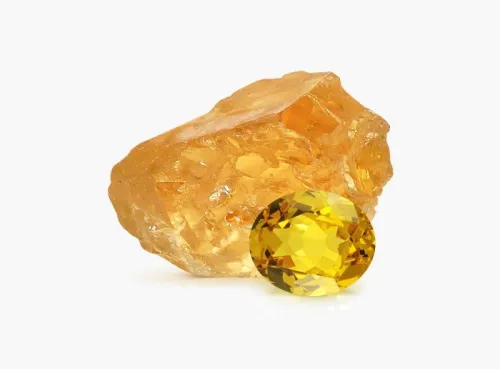
Imagine browsing online for unique home décor and stumbling upon a lovely citrine ornament—it sparks that thought: "Could I make something like this myself?" If you're new to this, you might get stuck on questions like where to source the stones, how different materials affect the final look, or whether it's easy to maintain. Beyond just the supplies, you could wonder about picking a design that fits your style or spotting quality flaws in raw materials. This guide walks through these practical angles, showing how simple ideas can yield beautiful ornaments for everyday displays.
1. What supplies are essential for starting with DIY citrine ornaments, and what are some simple design concepts?
2. How do design choices impact the final outcome based on the materials used?
3. How can you ensure the design matches how you'll use these ornaments?
4. What visual signs help assess quality when selecting stones?
5. What practical methods should you use for displaying ornaments in different areas?
6. How do you address common fabrication issues for a trouble-free crafting process?
You'll need basic items like pre-polished citrine stones, thin wire, lightweight beads, a small pair of pliers, and transparent-drying adhesive for quick, adaptable designs. Even better, wire-wrapped pendants allow for minimal tools and can be finished in under an hour for efficient crafting.
Starting with supplies, focus on citrine's natural properties for better outcomes. Simple mounting methods like wire wrapping can securely hold stones without requiring complex tools, simplifying the build. Plus, choosing pre-polished citrine simplifies crafting and maintains consistent optical qualities for beginners, saving you time on finishing steps. Now, design-wise, quick and fun ideas include stringing beads into hanging ornaments for windows or arranging mosaic patterns for a frame. For example, with a small citrine fragment, you might create a suncatcher by wrapping it artfully with wire and adding glass beads to reflect light. These small efforts tend to yield decorations that feel personal without demanding much skill—ideal if you want a relaxing weekend project.
Selecting frame materials like untreated wood or copper wire can enhance the citrine's natural warm hues and support durability over time. This approach avoids color clashes or structural issues down the line, especially for exposed placements.
Material decisions directly shape how your ornament looks and performs. Natural citrine's moderate hardness allows it to resist minor abrasions in daily-handled ornaments, meaning pairing it with robust frames like thick wire ensures it handles daily touches without damage. On the aesthetic side, lighter bases like unfinished wood tend to complement the stone's yellow to orange tones without obscuring its luster. But be aware that base materials must complement citrine to avoid discoloration over extended use—for instance, avoid metals that can oxidize and affect the stone's appearance. Also, using transparent-drying adhesives when assembling helps prevent clouding; they let citrine shine fully. Testing this with scraps first shows how small choices, like metal versus wood, impact the overall warmth in different lighting—crucial for creating eye-catching pieces.
Pick compact hanging designs if you need portable ornaments for frequently changed spots or larger mosaic patterns for long-term home installations. Prioritizing your usage habits helps narrow the choices faster.
When matching designs to how you'll use them, think about typical scenarios such as high-traffic areas versus quiet displays. Lightweight designs enable easy hanging in various locations like windows or shelves for enhanced visibility, so they're practical if you move ornaments seasonally. Meanwhile, if you value versatility, incorporating interchangeable elements like detachable beads can allow customization according to seasonal décor. From the crafting side, smaller citrine fragments provide flexibility for mosaic patterns while retaining structural integrity, which may suit beginners aiming for sturdier tabletop ornaments. For high-touch placements like door hangings, focus on designs that are easy to dust—you want options that save effort while lasting. Consider how natural citrine can adapt well to indoor displays in homes without specialized environmental controls, meaning your design doesn't need complex setups: simple is often best.
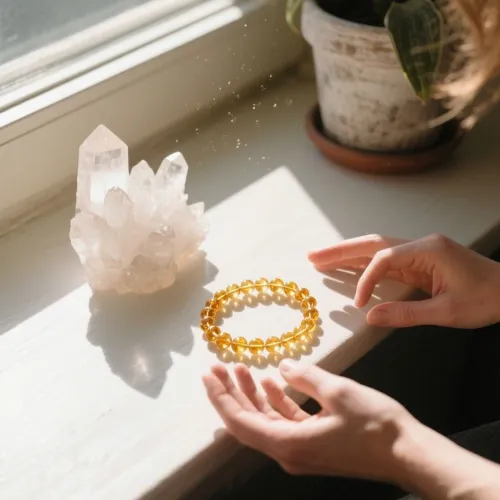
Now, on quality checks: citrine's transparency shows natural inclusions at close range, which might seem concerning at first. However, if you hold the stone under lamplight, you can spot any cloudiness or cracks early.
Look for even color distribution and a consistent polish when evaluating citrine; any significant cloudiness or cracks may suggest lower quality that weakens the ornament. Hold the stone under bright artificial light to catch flaws quickly.
A smooth surface with warm tones indicates well-handled citrine, though it's important to remember that online images might differ from actual pieces in color intensity upon physical inspection. Testing different lighting angles during crafting reveals how hues change across various room settings, like when placed near a window versus under a lamp. The stone's transparency tends to highlight natural inclusions when viewed up close, so slight variations don't always mean defects— they give character. For assurance, examine areas like edges or drilled holes:
To evaluate quality hands-on, use these straightforward methods during selection.
For window displays, use short hanging wire to sway with drafts without tangling, while tabletops benefit from compact designs that don't tip easily when dusted. Always account for ambient light when placing your pieces to highlight color changes naturally.
Citrine ornaments may alter subtly based on where they're used. In high-sunlight spots, the warm yellow tones might deepen under direct sunlight, so rotate items occasionally to spread exposure evenly and maintain vibrancy. For busier areas like kitchens, apply regular dusting with soft materials to preserve surface shine and prevent visible buildup—it only takes a minute once a week. Also, lightweight arrangements can be moved easily in seasonal transitions; store them in padded containers to reduce potential scratches when handling ornaments during off-seasons. Remember, avoiding harsh cleaners minimizes the risk of dulling the natural luster of finished ornaments, so a soft cloth is sufficient for upkeep. Over months, displayed ornaments can develop a more settled appearance after exposure to room environments, so initial fading might stabilize; just monitor placements to keep them fresh.
Doubts like "Why is my adhesive showing?" or "How durable is this?" often come down to simple fixes like testing glue samples first or choosing mounts that lock stones. This ensures your designs hold up well for daily enjoyment.
Assembly adhesives require transparent-drying formulas to avoid obscuring the stone's features, so opt for hobby-grade glue and test it on a spare piece to confirm invisibility. If you notice color shifts over time, it's normal—citrine can show subtle variations due to exposure to ambient lighting conditions, not usually a sign of poor work. For sturdiness, the stone's natural hardness resists light knocks, but smaller stones in mosaic designs might need extra binding. Cost-conscious choices are fine: focusing on designs with smaller stones can avoid pricey materials without compromising overall durability and visual effect. Lastly, minimal maintenance routines sustain ornament aesthetics effectively for everyday decorative purposes, meaning no complicated care is needed—keep it straightforward.
When planning your citrine project, focus hardiness by picking sturdy stones that resist wear. At some point, consider how lighting affects the hue to optimize placement. If you remember just one thing, let it be this: test adhesives early to avoid surprises. Finally, adapt choices to your space: small swaps can prevent regrets without extra cost.
Q: How do I know if my DIY citrine will last with daily handling?
A: Natural citrine has moderate durability, and with minimal dusting, it can retain shine for everyday decor—but it may develop tiny scuffs over years.
Q: Can direct sunlight damage my citrine ornaments?
A> It might deepen color tones without harm under most conditions; still, rotating items can prevent uneven changes.
Q: Are handmade ornaments easy to clean?
A: Regular dusting with soft cloths tends to handle buildup, avoiding cleaners that dull the finish.
Q: Do the stones need special storage when not in use?
A: Keeping them in padded containers reduces scratches during off-seasons, but room-safe spots often work fine.


$
