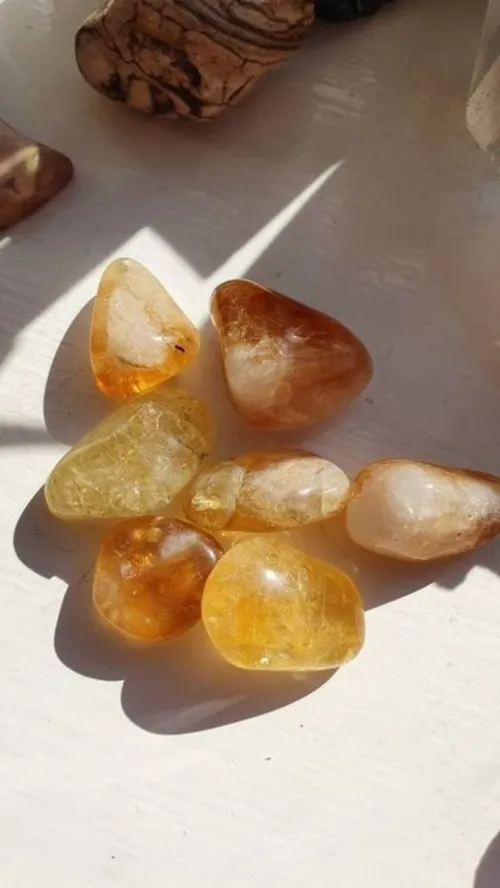
When planning your holiday tablescape, you might find yourself drawn to citrine's rich amber glow but unsure how to integrate it without overwhelming the space. Common questions arise: What elements create visual harmony? How do light sources affect citrine tones? What practical factors ensure both beauty and functionality? Whether adapting arrangements from intimate dinners to large gatherings or balancing organic textures with refined geometry, this guide explores solutions for designing citrine centerpieces that feel intentional yet effortless.
1. What defines essential citrine Christmas centerpiece concepts?
2. How does color interaction work in festive tablescapes?
3. What practical considerations apply to different settings?
4. How do material choices impact visual balance?
5. What durability factors matter in seasonal arrangements?
6. What symbolism does citrine bring to holiday decor?
Structured citrine arrangements rely on intentional light interaction and adaptable forms to create visually impactful displays. The core concept involves using translucent citrine elements—whether natural crystals or glassware—in tiered compositions where height variations allow light penetration.
Structured arrangements with varying heights allow light to reflect through materials, creating dynamic shadows and luminous effects that change throughout the day. Modular designs can adapt to table sizes from intimate gatherings to large celebrations, giving flexibility while maintaining visual coherence. Layered foliage creates visual density without overwhelming the table's functional space, serving as a textured base that supports focal citrine pieces. At some point, you'll notice how indirect natural lighting highlights depth variations in hand-cut crystal elements, especially when placed near window displays.
Citrine's warm golden tones amplify traditional Christmas palettes through contrast and complementary interplay. The key is balancing intensity—pair deep garnet ribbons with pale citrine glassware, or use forest greens to ground arrangements without competing with yellow hues.
The natural golden hue of citrine tends to complement traditional Christmas reds and greens through warm color contrast, creating immediate festive recognition. Candlelit settings may enhance the amber tones in citrine elements by creating warm ambient light that intensifies their luminosity at night. For daytime gatherings, frosted glass accents tend to diffuse light softly when paired with polished citrine pieces, preventing harsh reflections while adding textural variation. That said, observe pieces under both natural and artificial lighting to ensure the arrangement maintains warmth without seasonal elements feeling disjointed or oversaturated.
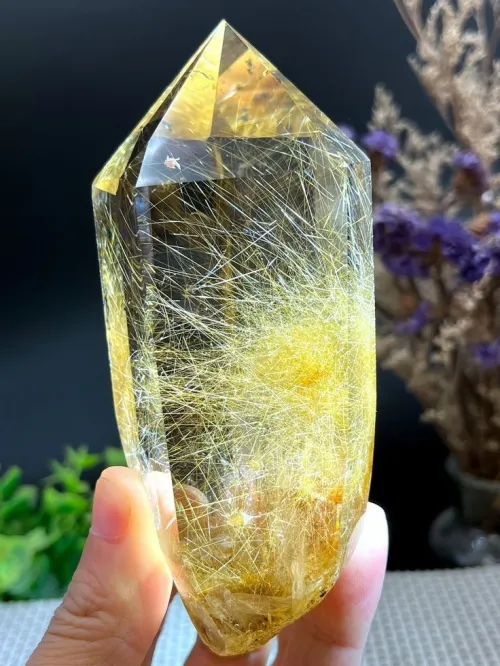
Table size and guest interactions dictate arrangement dimensions, focal points, and element orientation—consider sightlines and functionality as much as aesthetics.
Weight distribution considers table stability with heavier central focal points while ensuring place settings remain accessible. The arrangement's scale balances sightlines to maintain conversation across the table, typically keeping focal citrine clusters below eye level when seated. For narrow surfaces, linear designs using wired branches provide foundational stability for suspending delicate crystal elements without sacrificing grace. In practice, you can test configurations by placing temporary markers indicating plate positions—then adjust structure so candles don't obstruct views and decorative elements feel integrated rather than intrusive when serving dishes pass around.
Material pairings thrive through intentional contrast: combine matte organic textures with reflective surfaces to highlight citrine while creating tactile depth.
Pinecone or dried orange slices offer textural contrast while harmonizing with the warm palette, grounding crystalline elements in festive accessibility. Refined geometric forms like angular crystal pieces tend to contrast effectively with organic elements such as cedar sprigs to support contemporary aesthetics while nodding to tradition. Velvet texture beneath centerpieces adds tactile richness while protecting surfaces, creating subtle luxury even when visible only upon close inspection. Woven rattan trays or woven fabrics underneath may solve slippage concerns while reinforcing seasonal earthiness—just ensure bases don't visually compete with citrine focal points.
Holiday centerpieces face thermal variations, accidental splashes, and long storage periods—designing for durability preserves beauty beyond gatherings.
Tealight integration requires heat-resistant holders to prevent material damage during use, with at least 3 inches clearance above flames. Seasonal arrangements withstand typical indoor environments but need placement away from radiators or sunny windows to prevent premature drying or color fading. Dust accumulation on intricate pieces may require soft bristle brushing for maintenance—avoid water cleaners unless materials are specifically sealed. When storing post-season, long-term storage in padded containers helps preserve delicate components between seasons, particularly for composite arrangements featuring pinecones alongside citrine glass.
Beyond aesthetics, citrine's sunny tones resonate with shared interpretations of warmth, generosity, and light—non-spiritual associations connecting well with holiday sentiment.
In decorative contexts unrelated to crystal healing beliefs, citrine’s golden glow tends to evoke pre-modern winter traditions linking evergreen life with enduring light during darker months. These associations make it a natural complement to celebratory meals rather than a symbolic obligation. Though historically linked to harvest abundance, modern usage focuses on material warmth without claiming intrinsic metaphysical properties—emphasizing how light-refracting qualities can visually enhance communal spaces during gatherings.
Remember these anchors: First, always test arrangements at your actual table height to protect sightlines during conversations. Second, vary element textures but unite colors by repeating citrine tones across at least three components—like ribbons, glassware, and dried botanicals. Finally, treat light sources (candle flames, sunny windows) not as challenges but design tools enhancing how materials interact. If you’ve enjoyed this guide, explore other seasonal decor ideas on our site for year-round inspiration.


$
