
You're browsing an online jewelry shop or decor store, drawn to a vibrant yellow stone labeled "Citrine" – maybe it's listed as a November birthstone, featured in a wellness article, or recommended for its "positive vibes." Suddenly, you wonder: What does this sunny gem genuinely symbolize beyond the marketing? Is it purely cultural, or tied to physical traits like its color or hardness? You might also be asking: Why do some stones look vividly orange indoors but pale near a window? Can the symbolism change if it’s heat-treated? Why is it confused with topaz? Or how does it hold up in daily wear? In this guide, we’ll dismantle the lore around citrine step-by-step, focusing on its observable properties – color shifts under different lighting, durability in rings versus pendants, signs of natural vs. enhanced stones, and why it visually resonates with themes of clarity or optimism in practical applications.
1. What core meanings or representations are commonly tied to citrine?
2. How do variations in citrine's color impact its symbolic significance?
3. How does citrine perform in real-life jewelry or decor scenarios?
4. How can you align citrine choices with specific intentions like creativity or focus?
5. What observable traits help verify if citrine is natural or treated?
6. What common misunderstandings exist about citrine's symbolism and value?
Citrine’s visual warmth and light interaction tend to align it with ideas like mental clarity, joyful energy, or creative flow in objects of jewelry and home accent pieces.
The quartz-based hardness, typically rated 7 on the Mohs scale, means pieces like rings or coasters naturally withstand daily handling without easily cracking – this tangible resilience in items you touch regularly can reinforce symbolic connections to persistence. Its yellow-to-orange range often evokes sunlight or autumn warmth in decor; this psychological impact is intensified by natural translucency, where light filters through gently, creating a soft glow that may feel uplifting during use.
Citrine’s coloring can deepen near heat sources like lamps but fade under intense windowsills, altering both visual appeal and your sense of its "aura" in a decor application.
Depending on its origin, natural citrine tends toward paler yellows with subtle inclusions that scatter light, lending a distinctive complexity often tied to ideas of "authentic energy" in holistic decor. Artificial lighting – like the cool LEDs in shops versus warm household bulbs – might shift your stone from amber to pale gold instantly. Crucially, prolonged direct sun exposure can lead to gradual fading, which impacts both aesthetic value and symbolic longevity.
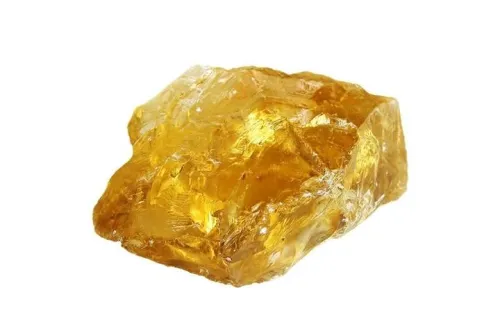
In everyday use, polished citrine adapts smoothly as pendants or rings, but sun-fading tendencies mean placement matters – avoid those south-facing display shelves.
Wearing a citrine ring daily? That quartz composition lets it endure minor impacts common to keyboards or handbags, though the surface may develop a subtle patina over years – a tactile reminder of time passed. Translucency in pendant settings often creates captivating glows against skin or fabrics during movement, strengthening visual appeal. Beware online shopping gaps: studio lighting and phone screens can make stones appear impossibly vivid and uniform, differing wildly from the subtle veils or saturations you see in natural light.
Avoid harsh cleaners; mild soapy water preserves its luster and prevents cloudiness that might dim its cheerful appeal as a personal item.
For jewelry aiming to evoke sunny positivity, prioritize moderately saturated stones with uniform hues that maintain warmth indoors and out.
Because citrine's color range – from pale lemon to burnt orange – can trigger emotional associations, hold stones near windows to see their true saturation in daylight. If seeking a "focus stone" for desk ornaments, a slightly included piece with visible crystallization may offer unique natural patterns that feel grounding. Budget-wise, heat-treated amethyst (often sold as citrine) tends toward uniform intensity at lower prices, while natural stones display paler, uneven yellows that may feel subtly more organic to you in intimate objects.
Natural citrine typically shows paler, uneven color zoning, whereas treated hues appear intensely orange with artificial uniformity – hold it near a bulb to check for reddish glints.
That quartz composition ensures both types share respectable quartz hardness and transparency. Key observations:
Citrine and topaz differ optically and chemically despite color overlap; citrine’s quartz origin and softer gloss create a distinct look under bright lights.
You might hear claims that citrine attracts wealth – but practically, its affordability makes it accessible for everyday items, unlike rare yellow diamonds. The "Madeira" deep orange citrine? Often heat-treated to achieve that rich tone. While natural formations tend toward subtler inclusions or paler saturation, both types maintain quartz durability. Remember, citrine symbolizes what you see: a warm, translucent quartz proven visually in varying light, not mystically charged outcomes.
When evaluating citrine for jewelry, decor or personal gifts, focus on color honesty, light behavior and authentic origins; match intentions to the stone's natural properties.
Ask: Does its warmth hold true under harsh midday light versus cozy lamps? Are minor inclusions part of its organic charm? And critically, if resale value matters, seek verifiable origins. This approach ensures choices are grounded not in mystic promises, but measurable qualities like quartz durability for everyday handling.
Q: Can citrine fade permanently if left near windows?
A: Long exposure to UV light can lead to gradual fading in lighter-citrine stones, affecting color vibrancy visibly over years, so storing display pieces in shadows may help preserve their hue.
Q: How do I clean jewelry with citrine stones?
A>Use soapy lukewarm water with a soft cloth to maintain luster without scratching its quartz structure; rigorous scrubbing can cloud surfaces and dull its intended effect.
Q: Is lab-made citrine less symbolically valid than natural?
A: Synthetic varieties share the same quartz composition and optical traits as natural stones but can exhibit perfectly uniform colors, shifting focus to aesthetic preference over geological history.


$
