Authentic natural citrine can typically be found through specialized gem dealers, reputable jewelry stores with gemological certifications, and select online marketplaces that provide detailed documentation.
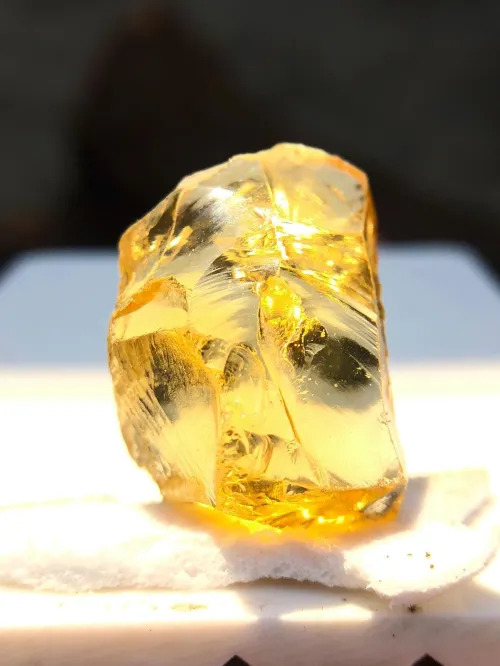
You're scrolling through an online marketplace, admiring a "citrine" pendant that claims to bring abundant energy. But as the sunlight hits your screen, doubts creep in—why does this vibrant orange stone look suspiciously similar to glass trinkets sold at tourist shops? Or maybe you're holding family heirloom jewelry wondering if that golden hue came from nature or a heating furnace. When authenticity matters, finding genuine citrine becomes more than a casual purchase; it's about understanding how earth-formed minerals behave differently from treated alternatives. Beyond just the "where," practical questions surface: How do lighting conditions affect appearance? Can daily wear change its color? What tiny details expose imitations? You'll find those answers woven through each section as we explore key indicators, purchase realities, and verification strategies that separate natural specimens from common lookalikes.
1. What are the most reliable sources for purchasing authentic natural citrine?
2. What factors influence citrine's authenticity and market value?
3. How do real-world shopping experiences differ from online product images?
4. What visual clues help identify genuine citrine stones?
5. What are the most frequent buyer questions regarding citrine verification?
Prioritize gemological-certified vendors and local lapidaries who specialize in mineral specimens, as they typically provide provenance documentation for natural stones.
Unlike commercial jewelers who may stock cheaper heated amethyst, specialized dealers often source directly from major deposits like Brazil or Zambia. The presence of official certificates from labs like GIA can serve as reliable verification. That said, when examining stones, ask about geological origin—citrine from specific regions tends to be more sought after and may exhibit unique characteristics, such as Brazilian stones showing exceptional clarity. Authentic sellers should willingly share magnification images of natural inclusions, something mass retailers rarely provide.
Three elements affect authenticity: geological origin, visible inclusions under magnification, and transparency about treatments like heat enhancement.
Natural citrine develops its distinctive yellow-to-amber hues through iron impurities within its crystal structure—a slow geological process that's difficult to replicate artificially. When evaluating stones, subtle color zoning observed while rotating crystals under different lights often indicates natural formation. Treatment history also impacts value; heat-treated alternatives might show artificially enhanced vibrancy without documentation. Longevity factors matter too: untreated stones may gradually fade after prolonged sunlight exposure, while structural characteristics like hexagonal formations provide further clues to natural origins.
Always cross-reference e-commerce images with in-person inspections or request unedited videos to avoid color/distortion mismatches.
Online shopping convenience comes with trade-offs: many listings use intense studio lighting that makes stones appear more saturated than they'll look under everyday conditions. That discrepancy can disappoint newcomers—imagine receiving a stone that appears honey-toned in product shots but looks pale gold on your windowsill. To manage expectations, ask sellers to photograph specimens against neutral backgrounds in indirect natural light. For wearability notes, untreated citrine holds up well in low-impact jewelry like pendants but may develop minor surface scratches over time with consistent ring use.
Verify purchase details through simple physical tests impossible with digital listings alone.
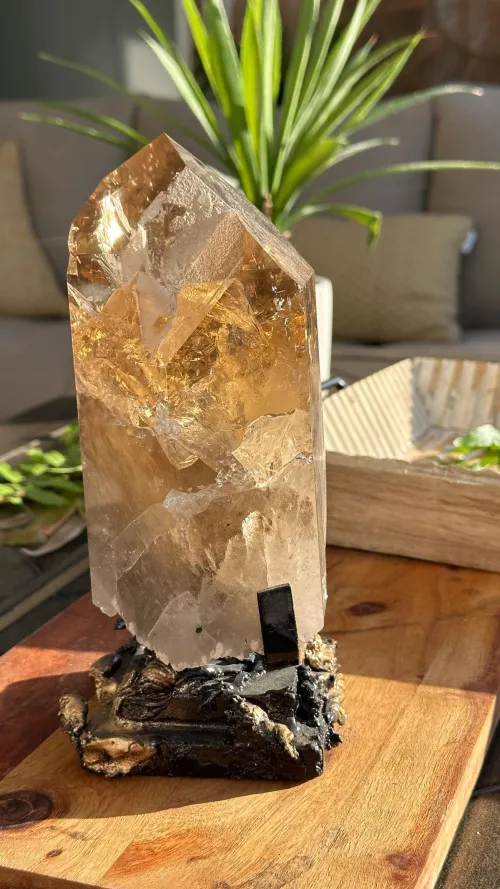
Authentic citrine exhibits soft, graduated color tones and typically contains minor inclusions when magnified—features often absent in dyed quartz or synthetic versions.
Unlike vivid manufactured stones, natural citrine can display delicate variations from pale lemon to deep amber within a single specimen. Hold your stone against indirect daylight: genuine pieces tend to demonstrate gentle gradients rather than flat, uniform saturation. Check for visible imperfections too; authentic crystals may hold liquid or mineral traces formed during underground crystallization—details mass-produced synthetics usually omit. Durability tests help confirm: citrine's hardness makes it wearable daily, but lower-quality pieces may acquire a patina over decades of daily handling.
If you remember just one thing from this guide, it's this: Always require physical verification beyond listing photos—whether through loupe-examined inclusions, documented certifications, or lighting variability tests. Genuine sellers demonstrate transparency, sharing geological origins and magnification evidence without hesitation. For everyday decisions, prioritize these two filters: Does the vendor specialize in certified specimens rather than commercial jewelry? And when holding the stone under natural light, are there nuanced color shifts rather than flat monochrome? Keep these principles central, and you'll develop an instinct for identifying authentic earth-formed citrine.
Q: Can real citrine fade naturally over time?
A: Yes, prolonged exposure to strong sunlight may cause subtle fading in untreated stones—one reason why citrine in vintage jewelry often shows paler tones. Storing pieces away from direct UV light helps maintain color stability.
Q: Why do some 'citrine' stones appear bright orange?
A: Overly vibrant orange shades often indicate heat-treated amethyst rather than natural citrine. Authentic specimens typically show softer golden-yellow hues without neon-like saturation.
Q: How does temperature affect citrine during daily wear?
A: Citrine shows minimal thermal sensitivity, meaning it can comfortably adjust to typical room temperature changes. However, avoid storing it near extreme heat sources like radiators to prevent prolonged stress.


$
