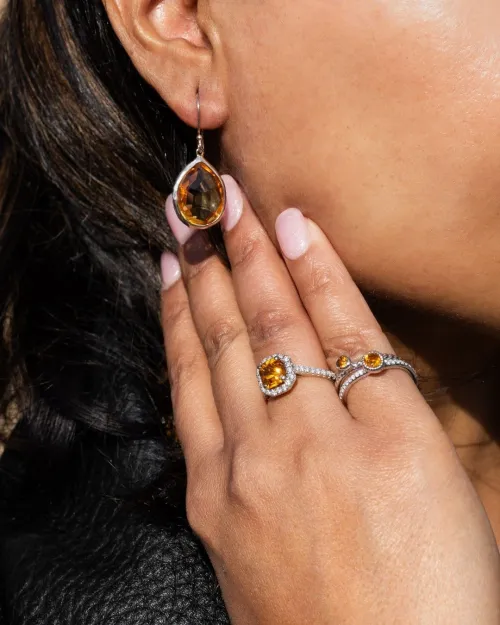
You've probably found yourself browsing online stores for citrine decorations, maybe while seeking a sunny accent piece for your living space or considering a meaningful gift. At that moment, you pause seeing phrases like "natural citrine" or "energy-infused crystal" and realize you're not actually sure how these golden stones even come to market. Beyond just where to buy, practical questions start surfacing: How do you spot genuine vs. synthetic? Why do prices vary so wildly? Can those shimmer photos be trusted? If you've felt unsure whether sellers are just capitalizing on "ethical" jargon or actually demonstrating transparent origins, you're not alone. This guide walks through those real-life uncertainties step by step, using mineral science and trade insights rather than spiritual claims.
1. Reputable Sources for Ethical Citrine Acquisition
2. Ethical Procurement Principles and Benefits
3. Practical Guidance for Ornamental Use and Care
4. Consumer Experiences in Buying Citrine Decor
5. Verifying Authenticity Through Physical Attributes
6. Common Questions Around Citrine Sourcing
Prioritize gem dealers specializing in documented ethical mining or artisan collectives connected to mining communities, where you can trace a stone's journey from mine to market with certificates that match actual mining locations. Small-batch mineral suppliers often maintain lower inventories but provide geological documentation showing regional characteristics like Zambian citrine's distinct saturation, whereas larger retailers might rely on generic certifications without specific mine-site data - always cross-check certification numbers on third-party registries for validity.
Ethically mined citrine tends to show warmer, consistent tones in natural light due to trace mineral content from specific geological formations, and these stones may feature natural inclusions indicating minimal refining. The thing is, some resellers promote Brazilian citrine as "ethically sourced" without disclosing common commercial heat treatments applied to amethyst - that's why verifying procurement notes alongside certificates matters more than standalone labels.
True ethical sourcing creates traceability from mine to display shelf while supporting environmental rehabilitation and fair labor wages, objectively improving stone quality through controlled extraction methods that preserve crystal integrity. When miners receive fair compensation rather than exploitative piece rates, they can extract citrine clusters carefully instead of blasting formations - this approach helps maintain natural structural integrity which resists cracking under normal temperature changes in home environments.
Ethical sourcing practices often correlate with traceable geological characteristics like matrix patterns on crystal bases that indicate natural formation. That said, it's important to watch for "greenwashing" where sellers use stock imagery of small-scale mines for stones actually acquired through industrial processes. Request unedited photographs showing actual stone groupings rather than glamour shots.
Place citrine ornaments in areas with minimal direct sun exposure and avoid chemical cleaners, choosing locations like bookshelves away from west-facing windows and using only microfiber cloths with distilled water for dusting to preserve surface characteristics. Citrine's 7/10 hardness on the Mohs scale allows resistance against dust abrasion but frequent contact with harsh substances may gradually diminish its surface luster over years - simple handling may develop a smooth patina without harming the stone's core physical properties.
Mounting in sturdy settings enhances adaptability whether you're designing freestanding decor or mounted pieces. Consider weight distribution carefully for larger items; bottom-heavy bases increase stability on uneven surfaces. That citrus glow? While long-term display in constant sunlight can lead to subtle fading in color intensity, placing smaller clusters in rotating display cases may help maintain vibrancy.
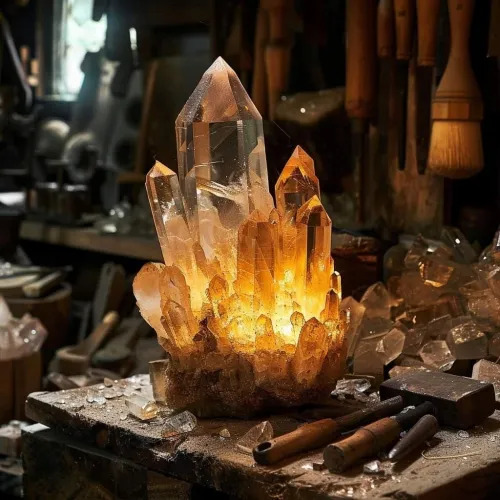
Online purchases sometimes reveal mismatches between advertised stones and actual items - common focus points include size perception under different lighting and variations in color saturation that cameras cannot accurately translate. You might notice how smartphone photos taken under warm lighting inflate golden tones while professional studio shots tend emphasize clarity over true color. That's why experienced buyers request images shot next to common household objects like coins or pencils for scale reference.
Daily use as ornaments may result in minor wear patterns visible under magnification over time, particularly on protruding crystal points. At some point, you'll likely encounter citrine described as "vibrant yellow-orange" that arrives with pale transparency - this often relates to variations in origin where material can range from Madagascan smoky yellows to bright Congo specimens. For critical placements like mantelpieces, buying from sellers offering verified batch samples allows physical inspection before final selection.
Genuine citrine typically shows irregular natural veining, while synthetic stones often display bubbles or perfectly repeating patterns; additionally, authentic pieces normally weigh heavier than glass equivalents relative to their size. Natural formations rarely achieve uniform coloration throughout entire clusters - that's why commercially perfect orange spheres often indicate treatment rather than natural occurrence.
When examining pieces, subtle variations in transparency across a single crystal combined with unique internal fractures usually indicate natural growth. If you're serious about verification, here's how to assess physical characteristics methodically:
Ethically sourced doesn't automatically mean untreated - many legitimately mined stones undergo mechanical polishing while remaining ethically monitored. The distinction lies in whether disclosures about enhancements match certificates. Heat-treated citrine generally shows unnatural orange consistency, but that doesn't inherently indicate unethical origin provided vendors transparently label processes.
For freestanding ornaments, pay attention to how mounting settings attach to the mineral body - metal prongs soldered directly to stones may cause stress fractures over decades. Structural integrity can be tested by tapping gently and listening for crisp quartz resonates instead of dull 'thuds' indicating cracks. Weight distribution becomes critical if you're considering tall arrangements; wider bases prevent instability especially in households with active pets or children.
If you remember just one thing from this guide, let it be this: Always ask suppliers for geological origin documentation and corresponding third-party certifications before purchasing - reputable sellers should provide these readily. Realistically compare lighting expectations; what looks like amber honey in studio lighting may appear pale lemon indoors at noon - so request video comparisons in shaded natural light. Finally, understand that slight imperfections like uneven coloring or surface ribbons often indicate authentic natural formation rather than flaws. Choose stones that align with your actual environment rather than idealized images, because the best ornament is one whose daily presence brings authentic satisfaction rather than maintenance worries.
Q: How does ethically sourced citrine pricing compare to regular options?
A: Transparently sourced pieces may carry a 10-30% premium reflecting fair labor rates and mine reclamation programs, but this tends to ensure natural material rather than cheap heat-treated alternatives.
Q: Can ethical citrine undergo any treatments?
A: Mechanical polishing and cutting are standard enhancements, but reputable sellers must disclose any thermal treatments altering natural color - true ethical sourcing focuses more on labor/environment than prohibiting human modification.
Q: Are recycled citrine claims trustworthy?
A: Genuine antique repurposing occurs but requires dated auction documentation; recently mined stones marketed as "vintage" often represent deceptive practices - ask for provenance instead of vague descriptions.


$
