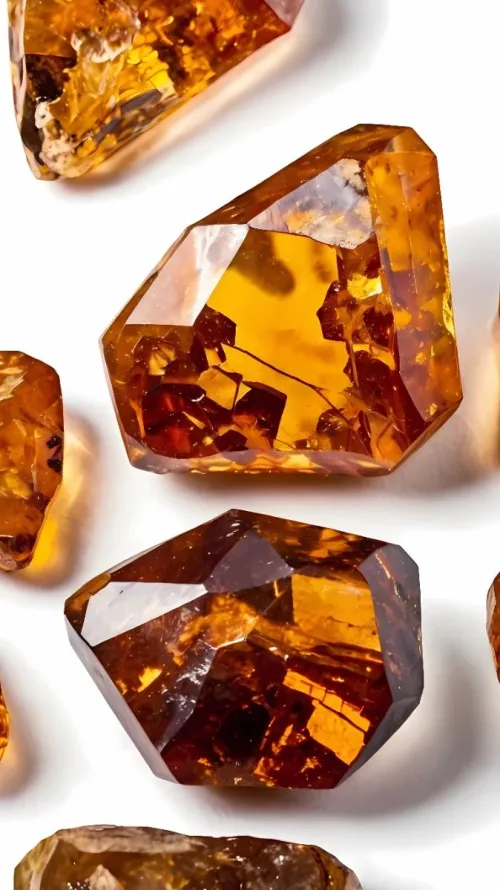
Picture this: you're setting up a holiday mantlepiece with citrine centerpieces, aiming for that warm, golden glow to complement your decor—but over time, dust accumulates, and the stones seem less vibrant. You might wonder, "How do I refresh these without harming them?" beyond that core question, you probably have a string of related thoughts: What's truly involved in cleansing? Why do some methods work better for display pieces? Is the crystal’s structure stable enough for frequent handling? As a fellow enthusiast who’s handled countless mineral setups, I'm here to walk through those practical angles together, cutting through the noise to focus on real-world application so your display shines without guesswork.
1. What quick steps can I follow to clean and charge my citrine?
2. How does the mineral science behind energy maintenance function?
3. Which methods suit different display setups for optimal results?
4. What interactions happen with water, light, and crystal during these processes?
5. How do seasonal changes and handling affect citrine care?
6. What visual clues indicate that cleansing or charging is working?
7. How can I preserve citrine's integrity for long-term displays?
8. What myths versus realities exist in crystal care for festive arrangements?
Start with a simple two-phase approach: first, cleanse using dry methods like soft-brushing for dust and gentle smoke exposure; then charge via natural light in short sessions, allowing intervals to assess color consistency—this keeps the process efficient and minimizes handling risks during busy decor prep.
Citrine’s quartz structure tends to gather surface particles in display environments, making gentle cleansing essential: for instance, smoke techniques with dried herbs may help dislodge buildup without residue. Material porosity can influence outcomes here, especially with dyed specimens where salt or water might cause fading. A real-life scenario? Imagine your holiday piece placed near a window for charging: after an hour of indirect sunlight, rotate it to avoid uneven exposure and check color saturation against indoor lighting for subtle shifts in hue.
Focus on low-effort methods tailored to your setup:
Energy maintenance centers on preserving citrine’s physical properties through light and crystal interactions, where sunlight exposure can enhance color perception by acting on surface refraction—this isn’t mystical but grounded in how transparency influences visual appeal.
Quartz-based citrine undergoes gradual changes: mineral origins impact how it responds to light or heat, with natural lighting exposure potentially amplifying perceived saturation by interacting with internal facets. That said, this process tends toward subtlety—direct sunlight charging should be brief to avoid long-term color shifts, particularly with heat-treated stones. Consider a typical holiday scene: placing citrine on a sunny windowsill in small doses may boost clarity for weeks, whereas continuous exposure over years in summer setups will likely fade intensity. Geological affinity matters too; clustering citrine with other quartz types might slow dust accumulation due to shared structural density.
Select cleaning and charging techniques based on your display’s location, lighting, and foot traffic: high-handling areas call for light-free methods like sonic vibrations, while out-of-reach shelves permit occasional sunlight charging without risking damage.
Material compatibility dictates choices—porous citrine requires skipping water immersion to prevent fractures, especially in humid seasonal display spots near kitchens or bathrooms. Smaller pieces in busy areas may need weekly brushing to counteract skin oil buildup, preserving surface luster. As an example, for a crowded holiday mantel, use a quick sonic device to cleanse; for dimly lit displays, introduce an hour of ambient light each week to enhance visual depth. Placement factors also come into play: if near electronics or radiators, shorten cleansing cycles to account for possible dust accumulation and thermal stress.
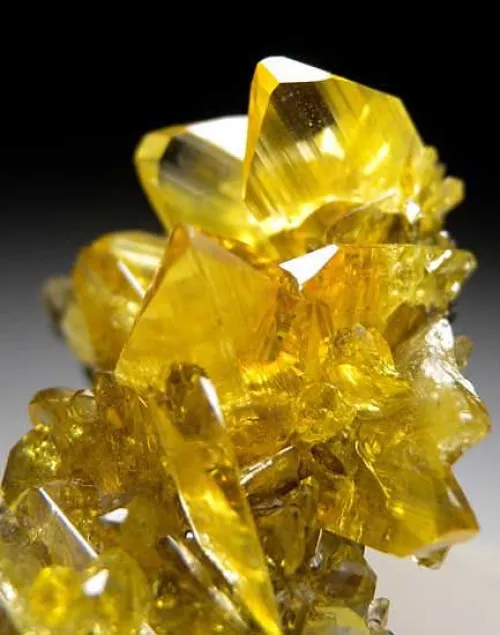
Understand that water, light, and citrine interplay through refraction and porosity: avoid liquid cleansing unless you verify stability, and use light exposures judiciously for minimal fading.
Water immersion tends to threaten treated citrine by penetrating fissures—always confirm the specimen’s durability beforehand to sidestep potential fractures. Natural light charging interacts with crystal transparency, influencing how colors appear; short exposure under overcast skies may maintain vibrancy longer than direct sunlight in clear winter days. Practical tip: on misty holiday mornings, quick natural-light charging might deepen golden tones temporarily without significant risk, which you can monitor visually. Material structure also affects this: dense crystals refract light predictably, while carved pieces might gather condensation in humid zones.
Adapt citrine care for holiday seasons by addressing handling frequency, temperature shifts, and storage: rotate pieces periodically to share wear and stabilize their environment to avoid internal stress.
Frequent handling during festive events can deposit oils that subtly reduce luster, so incorporate soft brushing into your routine before major gatherings. Temperature fluctuations in display areas might stress internal fractures during winter or transitions; to counteract, buffer citrine with padding or position away from vents. Smaller citrine pieces for table settings may accumulate dust faster, calling for bi-weekly attention. Storage matters too—between holidays, wrap securely in dry fabric to preserve surface integrity against humidity. Apply this by swapping high-use items with lower-traffic decorative bits to extend their life without extra effort.
Spot signs of successful cleansing or charging through citrine’s light refraction and surface clarity: vibrant, sharp gleam post-cleaning or consistent color under changing lighting signals maintenance.
Clearing buildup can enhance how light passes through, so look for consistent brilliance—such as in natural versus artificial holiday lights—as indicators. That said, these are visible cues: regular monitoring of refraction patterns may reveal long-term shifts, helpful for gauging charging needs. For instance, if your centerpiece shows steady sparkle under varied lights after smoke cleansing, it’s likely optimized. Remember, perceived effectiveness varies; some users focus on dust-free appearance over subjective energetic shifts, making practical checks reliable.
Preserve citrine display pieces long-term by limiting environmental stressors and regular upkeep: rotate placements, control light exposure, and clean minimally to avoid cumulative damage.
Surface texture influences preservation—smooth facets resist dust better and retain shine when gently maintained biannually. Avoid direct sunlight charging in permanent displays; instead, opt for indirect light to prevent color fading in heat-treated stones over time. Storage between seasons contributes significantly; seal pieces in breathable containers to curb humidity effects. Real-life tip: for year-round setups, shift citrine to shadier spots during summer holidays to combat degradation. Color consistency hinges on mineral origin, so research your stone’s background to tailor care.
Dispel common myths by focusing on evidence-based care: citrine doesn’t need elaborate rituals, and energy shifts are perceptual; prioritize simple, sustainable methods over mystic claims.
Notions like overnight moonlight charging guarantee transformation are exaggerated—tendencies toward subtle changes exist, but outcomes can vary among users based on personal beliefs. Salt cleansing might be advised for purification, yet it risks color instability in treated stones, making dry alternatives safer. As you test methods yourself: if smoke cleansing leaves no residue but enhances appearance, consider it pragmatic. Ultimately, decisions should stem from observable benefits like reduced dust or stabilized hues.
Keep this trio in mind: always verify your citrine’s porosity before using liquids to avoid fractures; when charging, use brief light sessions for minimal fading and check clarity against different lights; and for displays, rotate pieces often to share handling wear. Ask yourself these before acting: "Is this method safe for my stone’s history? How does the current setup impact need?" Your smart choices ensure citrine stays radiant without hype.
Q: Can I use tap water for cleansing citrine?
A: Water cleansing isn't recommended overall—tap water may introduce impurities to internal fissures, potentially causing fractures; dry alternatives like sonic devices are preferable.
Q: Does citrine fade faster on electronic devices?
A: Placement near electronics might affect surface clarity due to dust and static, requiring extra cleansing but not necessarily fading—monitor refraction patterns to adjust care.
Q: How long does moonlight charging take to show effects?
A: Results vary; moonlight charging can produce subtle perceived changes over repeated sessions, visible through consistent color when compared across weeks.


$
