Yes, citrine and amethyst can absolutely be worn together in jewelry. Both are quartz varieties with similar durability and physical properties, making them practical to pair. Their complementary warm and cool tones provide versatile styling options from casual to formal.
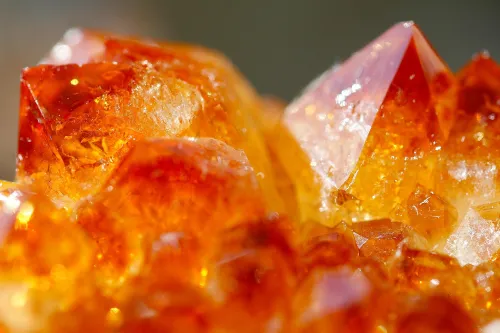
Picture yourself browsing jewelry stores online, noticing a ring featuring sunset-hued citrine alongside deep purple amethyst. You pause, wondering: Can these gems actually work in one piece? Beyond color coordination, you likely have practical questions. Will they scratch each other? Do they need special care? As you compare pieces, other thoughts surface—how daylight affects their colors, why some pairings look harmonious while others clash, or whether this combination suits daily wear. We'll address these real-world considerations, moving step-by-step through material science, everyday experiences, visual assessment techniques, and common misconceptions.
1. What's the technical compatibility between citrine and amethyst?
2. How do scientific properties affect practical pairing?
3. What do recurring usage patterns reveal about everyday durability?
4. How to visually evaluate the gems under different conditions?
5. What selection principles align with personal lifestyles?
6. How to separate facts from common myths?
Citrine and amethyst pair seamlessly due to nearly identical mineral properties. Both gems share a quartz-based composition with comparable durability ratings, reducing wear conflicts. The pairing offers creative flexibility since their color contrast suits diverse aesthetics.
Structurally, citrine and amethyst both register at 7 on the Mohs hardness scale. This similar density prevents either stone from scratching the other during contact – a common concern with mismatched gems. Regarding physical characteristics, cut designs affecting light reflection tend to work consistently across both stones since they share quartz's refractive qualities. Over years of wear, these quartz varieties may exhibit similar patina development on polished surfaces, maintaining cohesive aging. Their shared composition also means cleaning methods like ultrasonic baths (when appropriate for the setting) affect both stones similarly.
The quartz DNA creates fundamental compatibility while minor differences require mindfulness. Identical thermal expansion rates prevent stress cracks, though color sensitivity varies. Understanding these traits helps you anticipate real-world performance.
Both stones demonstrate high structural stability under typical temperature shifts, making them resilient to weather changes when worn outdoors. That said, amethyst may display subtle fading with prolonged, direct sunlight exposure due to its iron impurities – a slower process indoors. Citrine's hues tend to last longer in those conditions. When positioned together in multi-gem pieces, the density ensures secure mounting since both have matching weight parameters for prong or bezel settings. Humidity typically doesn't damage either stone, though surfaces might temporarily appear cloudier in extreme conditions before clearing with gentle cleaning. The shared quartz foundation really becomes apparent when considering jewelry maintenance; solutions safe for one quartz variety almost always suit the other.
Daily wear observations confirm these gems coexist practically. Users note consistent comfort through matching weight distribution, though setting design matters. Long-term changes in vibrancy often go unnoticed during gradual wearing.
Those who regularly wear citrine-amethyst combinations describe consistent performance in everyday scenarios. Office workers mention minimal color change under fluorescent lighting, while outdoor enthusiasts observe the most noticeable vibrancy shifts in intense summer sunlight. Users report that pairing both stones in necklaces or drop earrings provides balanced sensory comfort, as the stones' comparable heft avoids lopsided pulling. Over several years, wearers observe similar surface maintenance needs – both stones retain shine with identical cleaning routines using mild soap instead of harsh chemicals. Some note that prong settings accumulate debris around both stones at comparable rates, simplifying upkeep. Comfort remains consistent when designs distribute combined gem weight across symmetrical positions rather than concentrating mass at pressure points.
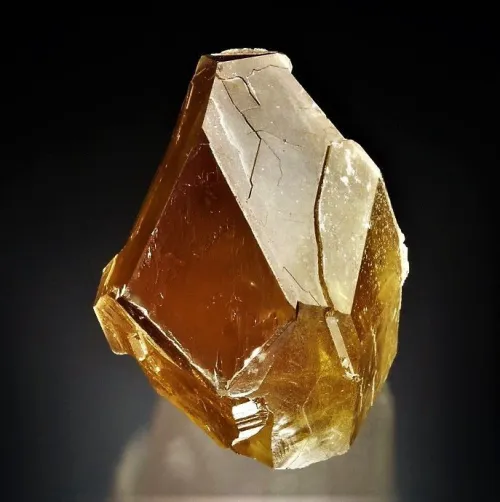
Judge pairings through three key variables: lighting interaction, color harmony, and cut style continuity. Daylight provides the truest hue assessment, while mixed settings demand intentionality. Both gems maintain clarity under scrutiny.
The perceived color relationship between citrine and amethyst may shift noticeably between indoor retail lighting and natural daylight, which explains why some pairings look unexpectedly vibrant or subdued outdoors. For harmonious matching, examine how transparency levels play together: a highly saturated purple amethyst might overwhelm transparent citrine unless balanced through stone sizing or metalwork. Similarly, citrine's warm tones can make amethyst appear cooler – an effect some find elegant and others jarring. Surface textures should also be evaluated; micro-scratches that appear first on frequently bumped ring settings develop at equivalent rates on both stones without mismatched aging. When examining pieces, consciously rotate them under different bulbs – a combination looking elegant under warm indoor light might show weak contrast in blue-hued daylight.
Choose jewelry forms aligning with your daily rhythm, not hypothetical scenarios. High-movement lifestyles favor smaller accent pieces, while formal preferences can incorporate prominent stones. Physical evaluation beats digital previews for color matching.
Consider frequency before size selection: those wearing jewelry daily typically prefer citrine-amethyst pairs combining smaller accent stones that transition smoothly between work and casual environments. If mainly wearing pieces for events, more dramatic contrasting combinations become viable. Bracelets prove less lifestyle-dependent than rings simply because wrists encounter less surface abrasion than hands. Crucially, initial online previews often differ significantly from physical color presentation – citrines that appear pale gold digitally may arrive with deeper tones, while amethysts marketed as "grape purple" might show raspberry undertones in natural light. Surface texture awareness also helps: jewelry for manual activities suits cabochon (smooth domed) cuts that show micro-scratches less obviously than faceted versions.
Remember: Compatibility stems from shared quartz foundations, not arbitrary aesthetic rules. Before purchasing, view stones under your most frequent lighting and touch settings for skin comfort. Evaluate whether color contrasts energize or fatigue your personal perception—there are no universal "right" combinations, only purposefully chosen ones. Trust physical examination over digital color displays to avoid mismatch surprises.
Q: Does wearing both stones together require special energetic considerations?
A: We focus on physical properties and tangible performance. Color psychology might influence personal preference, but no scientific evidence supports metaphysical claims.
Q: Can citrine and amethyst jewelry endure showers or swimming?
A: While water exposure itself rarely damages quartz, chlorine and soaps may dull surfaces over time. For longevity, minimize prolonged contact.
Q: Will the stones' colors eventually bleed or merge?
A: No pigment transfer occurs. Fading tends to happen individually and gradually, with amethyst typically showing changes first under intense UV exposure.
Q: Are certain metal pairings "wrong" for these stones?
A: Metals influence visual warmth but don't affect compatibility. Citrine pops against rose gold while amethyst glows against silver – subjective choices with no technical constraints.
Q: Does combination jewelry require different cleaning than single-stone pieces?
A: Maintenance remains identical since both stones share quartz properties. Soft-bristle brushing suits all settings whether containing one gem type or both.


$
