Individuals with metal allergies or sensitive skin types might react to jewelry alloys combined with citrine. Those prone to skin inflammation should carefully assess settings before regular wear. Additionally, those engaged in high-impact activities may compromise citrine’s structural integrity due to inherent vulnerabilities in quartz.
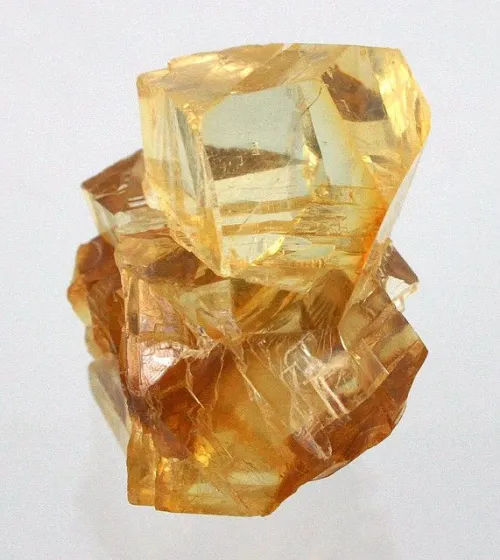
You’re scrolling through gemstone jewelry online when a warm-hued citrine pendant catches your eye. Suddenly, questions surface: Is this stone right for everyone? What if my skin reacts? Beyond the core question of who cannot wear citrine, you likely wonder about metal allergies, long-term wearability, or whether that vibrant color fades over time. These practical considerations often arise when selecting mineral-based jewelry—especially pieces intended for daily use. In this guide, we’ll dissect material realities and physical interactions rather than mystical properties, focusing exclusively on tangible factors like composition, maintenance needs, and physiological compatibility.
1. Which groups should approach citrine with caution?
2. What factors influence whether citrine suits a particular person?
3. How do material properties interact with diverse skin types?
4. How to select complementary settings and stones?
5. What visual and practical indicators signal daily wear compatibility?
6. How durable is citrine under different activities?
7. How does maintenance impact long-term wearable comfort?
Chemically sensitive individuals and people in physically demanding professions may experience compatibility issues with standard citrine jewelry. Vigorous sports participants may accelerate damage to the stone’s surface integrity.
The presence of certain copper-based alloys—common in affordable jewelry settings—can cause skin discoloration or persistent redness for those with specific sensitivities. Since citrine quartz has a hardness of 7 on the Mohs scale, professions involving friction or debris exposure (e.g., gardening, construction) pose scratch accumulation risks. Loose stone settings can further trap dust against the skin, potentially heightening discomfort for individuals prone to dermatitis. As one example: Those frequently washing hands with harsh soaps while wearing rings may notice adhesive weakening in glued settings, exposing skin to bonding agents.
Daily environments, personal physiology, and jewelry designs collectively determine citrine compatibility settings demanding prolonged adhesive contact should be reconsidered by those with reactive skin.
Body chemistry variance means metal oxidation patterns differ significantly between people. Stones with existing inclusions near their surfaces tend to propagate fractures under persistent pressure, especially during tasks involving impact. Moreover, citrine loses optical clarity over months when cleaned improperly with ultrasonic methods or chemical solutions. Humidity’s effect varies too: Resin-filled stones tend to cloud fastest in moisture-heavy climates, obscuring transparency through microscopic texture changes.
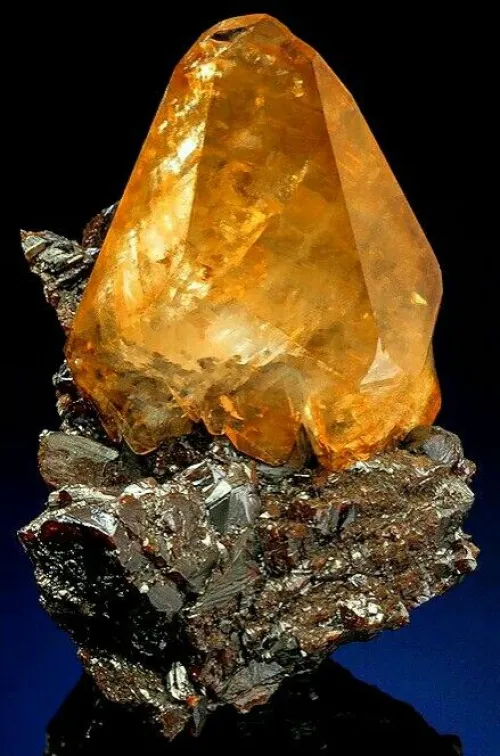
Citrine’s inherent composition interacts dynamically with wearers’ skin pH and activity patterns rather than universal effects. Temperature fluctuation susceptibility might trigger physical discomfort during abrupt weather changes.
Thermal shock vulnerability emerges from quartz’s crystalline structure—sudden transitions from cold to heat may develop hairline fractures. Iron inclusion density affects hue saturation, causing appearance shifts under artificial versus natural light that vary across stone regions. Crucially, vibration resonance in quartz can register as subtle tingly sensations against sensitive skin areas like wrists or collarbones. Such textures may intensify discomfort if the faceting pattern concentrates pressure against the skin rather than dispersing it.
Opt for protective bezels and inert backing materials when combining citrine with sensitive skin, prioritizing stones deeper than 3mm thickness.
Thin girdles in precision-cut designs present chipping risks during accidental knocks—consider rounded cabochons for high-motion activities. Stone geometry influences comfort significantly; complex cuts create pressure points against skin during prolonged wear. The refractive index (1.54–1.55) creates moderate sparkle fluctuations across viewing angles, potentially distracting for professions requiring visual precision. Crucially, verify treatment disclosure: Heat-treated citrine often shows unnatural striations under magnification, sometimes indicating unstable color retention under UV exposure.
Higher-clarity stones with medium saturation better withstand lifestyle wear than pale alternatives showing dust accumulation faster.
Deeper-colored citrine tends to reveal surface dullness and cleaning needs more visibly than lighter stones under everyday lighting—especially under office fluorescents versus indoor bulbs. Color zoning becomes pronounced during movement due to iron inclusion patterns, creating dynamic appearances some wearers find distracting. Online purchases warrant particular caution: Variations between advertised images and actual specimens frequently stem from controlled lighting obscuring milky regions or fractures. Always request multiple lighting scenario photos.
Citrine withstands routine office environments sufficiently but struggles under friction scenarios. Weight distribution planning prevents pendant shifts during activity.
Activities involving abrasives or repetitive pressure require strategic jewelry placement. For example: Larger pendants shift unexpectedly on necklaces during jogging or bending. Cosmetic exposure introduces long-term risks: Lotions build up in microscopic pits, gradually reducing luster. Settings demanding adhesives weaken over 18–24 months of regular cleaning cycles, particularly ring bands twisting against fingers. Notably, hardness vulnerability manifests in scratching alongside harder minerals—store citrine separately to maintain edge clarity.
Cleaning methodology directly impacts wearability longevity; soft dry brushing outperforms ultrasonic baths.
Surface luster loss occurs gradually when cleansers settle into fissures—microfiber cloths provide safer dust removal than stiff bristles. Refrain from soaking stones for more than three minutes if fracture lines appear under magnification. Storage considerations matter: Wrap citrine pieces individually to prevent facet-on-facet damage with other jewelry. Monthly visual checks for glue separation in channel settings prevent unexpected skin contact with adhesives.
If you evaluate only two aspects before wearing citrine, focus on the setting's skin contact composition and your impact exposure patterns. When considering new pieces, briefly test against your daily routine: Slide the jewelry during hand motions to feel pressure points. Note that any persistent redness at pressure points indicates potential long-term incompatibility. Ultimately, choose based on physical harmony rather than aesthetic alone—properly fitted citrine offers tangible brightness without compromising comfort.
Q: What about citrine rings versus necklaces?
A: Rings endure substantially higher friction than pendants—thicker bands and low-profile settings reduce snag risks for manual tasks.
Q: How quickly does citrine lose color in sun?
A: Deep yellow citrine may slowly fade at window displays under months of direct UV; indoor-worn gems retain vibrancy longer.


$
