Citrine gemstones don't contain chemical properties proven to induce drowsiness or impact physiological states, according to mineralogical research. While some wearers report subjective calming effects, these cases appear linked to personal perceptions rather than measurable changes in alertness. Always consult healthcare professionals about persistent fatigue rather than attributing it to crystals.
You might be browsing an online crystal shop or glancing at a jewelry display when the phrase "energy-boosting citrine" catches your attention. Suddenly, a skeptic pops into your head: could this warm yellow stone actually have the opposite effect? You start wondering – will citrine make me unusually tired? Is there science behind this, or is it just crystal lore? How does its composition differ from other quartz? Does its trademark honey-gold color fade over time? If you've felt unexpectedly sleepy since wearing it, is that a coincidence or correlation? This guide tackles those layered questions head-on, moving from mineral makeup to personal reports in simple sections.
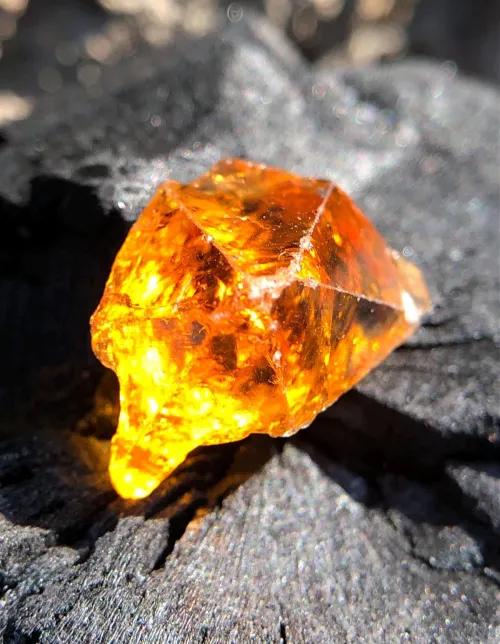
1. What's the direct truth about citrine and drowsiness?
2. Does citrine's quartz structure actually influence wellbeing?
3. What factors shape people's perceived reactions to citrine?
4. What real experiences do long-term wearers report?
5. How do color variations reflect citrine quality?
6. Why does lighting dramatically change citrine's appearance?
7. What happens to citrine after years of daily wear?
8. Which citrine claims are myths versus geological facts?
Mineral analysis shows zero chemical compounds in citrine that affect sleep cycles or alertness. This quartz variant gets its yellow-orange color from trace iron during formation, lacking biological agents. However, some users describe a subtle quieting sensation during focus activities – distinct from actual drowsiness.
Citrine forms through iron integration within quartz crystals, resulting in purely physical visual properties without psychoactive components. The stone rates 7 on the Mohs hardness scale, confirming it's an inert silicate that won't release interacting substances. Subjective experiences like calmness may arise from psychological factors rather than the stone itself—especially if users expect certain effects. The visual warmth of deeper amber tones can create placebo associations with relaxation for some individuals.
Citrine consists solely of silicon dioxide with iron impurities which strictly affect optics, not biochemistry. Its stable crystal lattice doesn't interface with human physiology in verified ways—any wellbeing responses stem from ritual or sensory perception.
Beyond its geological origins, we see natural citrine typically displays pale yellow hues compared to heat-treated versions showing richer amber-brown tones. These color differences stem from the intensity of iron oxide distribution during formation. When you handle citrine, direct skin contact transfers ambient temperature rapidly due to its efficient thermal conductivity. Some wearers report a comforting stability from its consistent 2.65 g/cm³ density—a physical attribute they may psychologically associate with grounding effects. But critically, no peer-reviewed studies identify pathways where citrine molecules interact with neurological systems for energy effects.
Perceived effects of citrine—whether alertness or calm—typically originate from personal mindset, physical environment, and sensory interaction rather than inherent mineral traits. Expectation bias, lighting context, and tactile engagement amplify individual narratives.
Consider how lighting shapes interaction: the same citrine piece appears radiant gold under warm indoor lamps but shifts towards pale straw tones in blue-tinted daylight. Jewelry positioning also plays a role—a pendant viewed regularly can create stronger psychological associations than stones worn discreetly. Studies show tactile objects provide rhythmic neural stimulation unrelated to metaphysical properties. Furthermore, photographed citrine online often appears artificially saturated—heightening visual intensity expectations that contrast with physical pieces. Prolonged exposure to specific environments may also encourage selective memory about sensations during wear, reinforcing subjective effects.
Long-term citrine wearers rarely cite drowsiness when describing usage. Instead, they highlight aesthetic longevity and compatibility. Common themes emerge about how they interact with the stone physically versus emotionally.
Reports from jewelry owners show variation: some describe neutral experiences ("It feels like any other crystal necklace"), while others appreciate its constant weight on the collarbone for tactile mindfulness. Frequent touches can subconsciously build ritual associations with specific actions—like pausing before decisions. Wearers note citrine tends to resist surface abrasions during daily activities due to its quartz hardness, avoiding uncomfortable textures that might draw attention. Interestingly, sunlight exposure over a decade may cause gradual fading in darker stones—a physical change occasionally misinterpreted as "energy depletion." Surface luster also diminishes microscopically under friction, requiring infrequent professional polishing to maintain reflective shine—practical realities framing usage experiences.
Color saturation and transparency offer reliable clues about citrine jewelry quality—not mystical properties. Natural stones often display uneven color zoning while synthetics look unnaturally uniform.
A key assessment happens before purchase: hold potential citrine pieces in diverse lighting. Observe how blueshifted daylight reveals brown undertones invisible under bulbs—especially prominent in heat-treated material. High clarity citrine stones maximize light refraction, creating an illusion of inner glow—a visual trick easily mistaken for "vitality" claims. Those secondary reddish traces under spotlights? They strongly suggest enhanced stones. Cutting precision matters too: well-executed facets create fire that dances with movement, while poorly cut stones appear dull and muddy. These optical qualities can influence how "active" the stone appears during wear.

Lighting conditions dramatically alter how citrine looks—from luminous lemon yellows to amber browns. Environment equally impacts its preservation—sunny windowsills accelerate fading while stable displays maintain vibrancy.
Ever notice how citrine looks radically different in jewelry cases versus outdoors? That's light refraction interacting with iron concentrations. Faceted cuts manipulate this illusion—deep pavilions bounce light dramatically making stones "pop" versus shallow designs looking glassier. Artificial lighting introduces more variability: LEDs intensify yellow reflections while cool fluorescence reveal green undertones. For maintenance awareness, extended UV exposure may lighten deeper stones over years—so protective storage matters if preserving intensity. Practical tip: before purchasing, examine stones under your most frequented lights—kitchen LEDs versus work fluoresces—to avoid unwanted surprises after wearing it daily.
Citrine offers solid durability due to inherent quartz hardness—resisting scratches during regular jewelry use. Surface shine gradually dulls until professional polishing restores optical properties. Structure integrity remains stable for lifetimes.
For extended enjoyment, understand that daily wear brings microscopic friction against clothing and surfaces—a process that slowly diminishes the initial lapidary polish over 5-7 years. Gentle cleaning protects these surfaces: skip abrasive brushes and soak in lukewarm water (never steam or ultrasonic treatments). Weight and density remain unchanged even after decades—making it a dependable accessory. Crucially, citrine won’t chemically react with skin oils or perfumes—unlike porous alternatives. That durable stability means emotional attachments develop naturally without performance anxiety. Just remember: periodic repolishing can reinstate that liquid-gold sparkle whenever you feel it looks tired.
Let's demystify popular claims about citrine—many stem from folklore about its golden hues instead of mineral properties. Scientific analysis confirms stable, inert characteristics throughout its lifecycle.
Myth: "Natural citrine emits special energy frequencies". Fact: Electromagnetic measurements detect standard quartz resonances found globally. Myth: "Heat-treated citrine loses metaphysical potency". Fact: Both natural and enhanced versions share identical atomic structures after processing. Crucially, citrine isn't found "absorbing negativity" because crystals don't selectively interact with emotional states—though cleanings may psychologically refresh owners. That warm tone can symbolically represent sunlight—hence historical cultural associations with vitality—not biochemical energy transfer. Even when citrine appears pale after fading, structural integrity remains uncompromised—it’s purely an optical shift.
Citrine carries diverse meanings across traditions without universal interpretations.
If you take one thing from this deep-dive, let it be this: Quality citrine provides lasting aesthetic joy if approached like any beautiful accessory—appreciate it visually without expecting physiological changes. Before assuming drowsiness links to stones, examine sleep hygiene and stress factors. When comparing citrine options, focus on craftsmanship durability rather than metaphysical promises—check cut precision under good lighting and ask about stone treatments.
Q: Does citrine quality relate to how you "feel" it?
A: Scientifically, no—perceived sensations may correlate with psychological expectations rather than measurable differences between stones. Higher clarity simply reflects more light.
Q: Should I avoid citrine if experiencing tiredness?
A: First consult a doctor about fatigue. If medically unexplained, test jewelry breaks empirically—your experience likely stems from coincidental timing rather than crystals.
Q: Why do some citrine stones look lackluster after years?
A: Gradual microscratches diminish surface reflection—regular professional repolishing restores original brilliance effectively without affecting durability.


$
