Absolutely – citrine and rose quartz work beautifully together in jewelry designs. Their complementary warm tones create visual harmony while sharing similar durability for daily wear. However, success depends on intentional design choices and understanding how each stone wears over time.
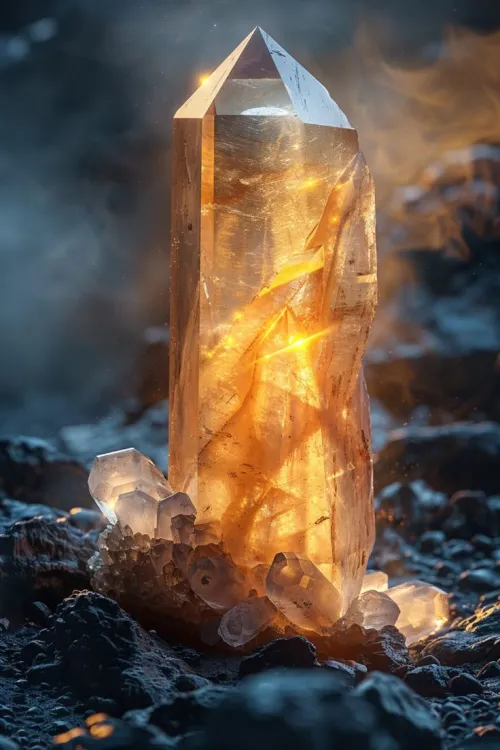
You might be eyeing a bracelet blending golden citrine with blush-pink quartz, or weighing whether to pair them for sentimental jewelry. At some point, questions bubble up: Will these colors clash? Can they withstand daily knocks? Do they look cheaper together? Beyond aesthetics, many wonder about cultural meanings (though not metaphysical claims) or whether combining them creates practical headaches down the road. This guide walks through everything from color chemistry and durability traps to spot in ready-made pieces. Whether you're designing custom jewelry or evaluating a store-bought piece, we’ll cover how to judge compatibility based on tangible factors like material science, light interaction, and real-world wear patterns.
1. How do their colors actually interact in different lighting?
2. What material properties affect practical combination?
3. Design techniques that make paired pieces work
4. Daily wear considerations you might overlook
5. Spotting quality when stones are combined
6. Durability factors demanding attention
7. Dispelling common myths about pairing them
The yellow-to-golden-orange of citrine and soft pink of rose quartz create balanced contrast rather than conflict. While citrine displays warmth from iron impurities within quartz crystals, rose quartz gets its gentle blush from microscopic mineral inclusions. This natural coloration allows complementary designs without overwhelming the eye.
Notice how indoor versus outdoor lighting alters their appearance – citrine may glow intensely in sunlight while rose quartz can appear more subtle. That said, the warm tones of citrine tend to enhance rose quartz’s pastel character, particularly in yellow-gold settings. However, some rose quartz specimens may show subtle color zoning or haziness under magnification. In clustered arrangements, transparent citrine facets alongside rose quartz’s milky translucence create intriguing depth. When pairing them, evaluate stones under both bright and dim light. Over years, consistent fading is unlikely with citrine, though prolonged direct sunlight exposure can cause rose quartz to lose intensity.
Historically, these stones have been associated with complementary non-medical concepts like creativity and emotional comfort. These interpretations vary widely depending on cultural traditions.
The thing is, cultural symbolism evolves. Citrine’s golden tones resonate differently in Eastern traditions compared to Western design narratives. Similarly, rose quartz often appears in stories about compassion – though these are social associations, not universal truths. If choosing them for sentimental reasons, focus on tangible qualities like how specific color combinations make you feel when worn. Just know any "benefits" are subjective experiences rooted in personal or cultural meaning. Durability-wise, there’s zero difference between stones carrying symbolism versus those viewed purely aesthetically: their quartz composition ensures identical physical properties.
Successful pairing relies on intentional spacing, proportional accents, and mounting that protects both materials. Gradient arrangements or asymmetrical clusters tend to integrate more naturally than rigid patterns.
Designers use cuts to enhance harmony. For example, faceted citrine catches light dynamically against rose quartz cabochons’ misty glow. Just understand that combined designs create light refraction variations based on mounting angles and cut geometries. Density similarities help too – weight distribution rarely feels lopsided. When arranging, avoid settings forcing direct gem-on-gem contact during movement, as uneven hardness can cause eventual micro-scratches on softer surfaces (typically the rose quartz). Placement matters: many bezel-set stones along a bracelet’s curve differently than side-by-side prong settings. Also, consider metal tones; rose gold harmonizes both stones’ warmth, while platinum creates striking contrast.
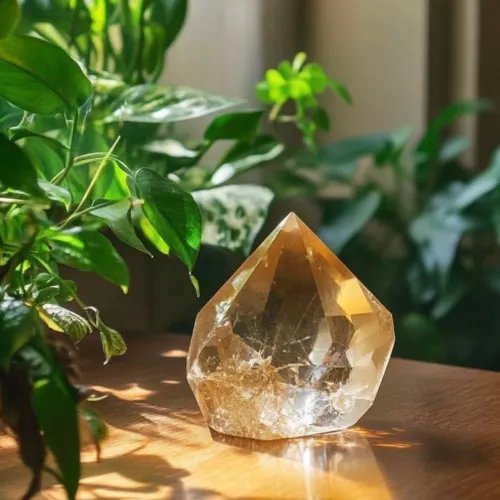
Regular gentle cleaning maintains their luster, but avoid activities that risk impact or temperature extremes. These two quartz varieties share practical handling needs due to similar mineral structures.
Environmental factors like humidity have little effect on chemical stability, but accumulated skin oils may diminish their unique luster qualities differently over time. Since citrine tends toward higher translucence and rose quartz a hazier appearance, residues cause uneven dulling faster than with single-stone pieces. Long-term micro-scratches also develop more visibly on domed rose quartz cabochons versus faceted citrine. That said, routine maintenance is simple: lukewarm water with mild soap using a soft toothbrush prevents buildup. The real risk? Thermal shock during jewelry repairs involving both materials. If resetting, ensure your jeweler avoids sudden temperature changes that could create internal fractures in either stone.
Check inclusions and color distribution to spot natural stones versus treatments. Under bright light, authentic citrine typically appears translucent with possible natural banding, while rose quartz shows a characteristic milky cloudiness.
Here’s how to spot quality in combined pieces:
Both ranking around 7 on the Mohs hardness scale ensures compatible resilience against everyday scratches. However, differential wear patterns emerge where gems physically contact.
The shared quartz foundation means similar toughness, but settings influence longevity. Prong arrangements risking gem-to-gem knocks allow subtle grinding during movement – tiny chips might eventually appear at contact points. Well-spaced bezel settings reduce this. Pro tip: Inspect combination rings (especially where stones face inward) for telltale abrasion signs after 1–2 years of wear. Also, while ultrasonic cleaners are typically quartz-safe, heavily included rose quartz may hold microscopic fractures vulnerable to vibration damage. Stick to hand-cleaning methods unless certain of quality. Finally, remember faceted citrine reflects light aggressively next to matte-finished rose quartz beads – uneven polish wear sometimes becomes noticeable if cleaned improperly.
Misinformation persists about compatibility limits – typically exaggerating fragility, fading risks, or symbolic clashes. Science and design experience refute most claims.
One persistent myth suggests these stones magically "cancel each other" visually. Actually, warm-to-cool color theory proves their hues complement. Another rumor insists citrine bleaches rose quartz over time: quartz undergoes no such chemical transfer. Regarding aesthetics, critics may call the pairing garish – yet in properly executed pieces, the contrast elevates both stones. A practical concern involves sunlight fading; while intense UV exposure may dull rose quartz, citrine remains stable. Still, it’s avoidable by storing jewelry properly. Finally, ignore claims that one stone requires "special settings" the other can’t share; identical mounting techniques apply safely to both. If a piece feels unstable, blame craftsmanship – not the materials.
When evaluating combined citrine and rose quartz pieces, prioritize density balance, secure setting techniques, and authentic color chemistry. Remember:
If you check just three things before deciding: First, observe the piece under different lights – shop window sunshine, indoor lamps – noting how tones interact. Second, examine where stones physically touch; is there adequate space or protective metal buffers? Third, ask about origin documentation if considering natural citrine (rarer than heat-treated options). Ultimately, the "right" pairing depends on your taste in color dynamics and understanding how daily use realities align with design execution. Trust tangible design principles and material facts over abstract claims. That’s the simplest path to enjoying these two together.


$
