Citrine water generally represents a mineral-based preparation considered suitable for decorative or ritual use by many individuals. While potential safety depends on factors like water quality, integrity of the mineral specimen used, and cleaning practices, the stone itself typically remains chemically inert in water under standard conditions. It’s advisable, however, to ensure any citrine pieces are thoroughly cleaned before immersion to minimize external contaminants.
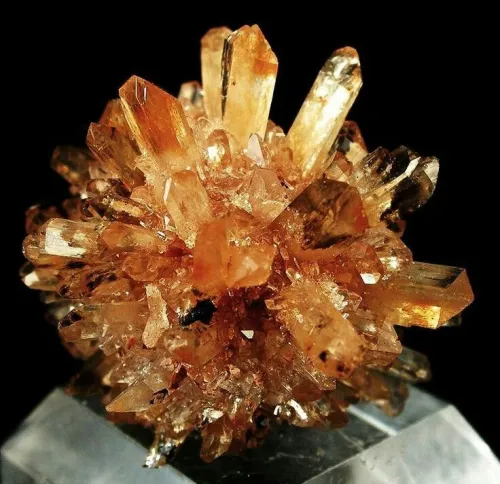
You’ve probably seen striking images of golden-yellow citrine resting in glass water bottles—maybe in a wellness influencer’s post, a crystal shop display, or a friend’s kitchen counter. Suddenly, questions pop up: Is that water truly drinkable after sitting with rocks? Can bacteria grow around the crystal? Does the stone release anything into the water? It’s easy to feel uncertain. Beyond the core safety question, people often wonder about visible changes to the water, long-term crystal durability, cleaning methods, cloudiness differences, and whether certain citrine types perform better or worse. Let’s cut through the confusion and tackle those practical, everyday concerns you’re silently asking.
1. What makes or breaks the fundamental safety of citrine water?
2. Which factors most significantly impact safe usage?
3. What do real handling experiences reveal over time?
4. What visible signs help assess water and mineral integrity?
5. How do application techniques maximize safety and longevity?
6. What widespread misunderstandings need correcting?
Natural citrine quartz itself generally poses no inherent toxic risk when placed in water, as its silica-based structure remains stable and non-reactive. Safety primarily depends on external factors like prior mineral handling, cleanliness standards, and water freshness. You can minimize concerns by consistently using untreated stones alongside filtered water that’s refreshed daily.
The core mineral composition of citrine—predominantly silicon dioxide—contributes to this inherent stability. Under typical storage conditions like room-temperature bottled water, it generally undergoes negligible chemical interaction. Surface integrity matters, though: micro-fractures or porous areas on the crystal could potentially trap organic residues. Regular rinsing helps prevent buildup. Material composition may influence clarity and perceived purity under standard viewing conditions, with higher-clarity specimens offering easier visual monitoring for impurities.
Four intertwined elements strongly dictate safety outcomes: crystal quality, water selection, container cleanliness, and usage routines. Citrine with natural fissures, visible inclusions, or artificial dye residues presents higher risk profiles than clean, untreated specimens. Likewise, stagnant water invites microbial issues faster than frequently changed water.
Optical properties like transparency can serve as an indirect indicator. Typically, clearer specimens imply fewer structural vulnerabilities where contaminants might lurk. But remember: surface texture affects grip and stability during handling—smoother stones resist dirt accumulation better. Environmental interactions are equally crucial. Prolonged direct sunlight exposure could lead to subtle visible changes like fading or minor thermal stress in the stone. That said, thermal resilience usually falls within safe operational limits for standard indoor temperature fluctuations. Weight distribution also factors in: a balanced, comfortable shape reduces fumbling accidents during regular cleaning and refilling. And never ignore the water source itself—unfiltered tap water introduces minerals and additives that may form residues.
Users frequently report variations in perceived water clarity and mineral appearance after days or weeks of immersion. Experiences trend positively with clearer stones and regular water replacement routines. Some note visible sediment accumulation over time if using hard water sources or cleaning infrequently.
Longevity tends to be well-supported through straightforward maintenance. Routine usage patterns correlate strongly with long-term cosmetic integrity. For example, stones handled gently during weekly rinses typically show fewer fine scratches than those scrubbed harshly. Over many months of handling, minor surface alterations like water spots or faint etch marks may arise under magnification but rarely compromise core functionality. Structural robustness often prevents leakage or seepage during routine handling and use, though jarring impacts should still be avoided. Compliance with standard manufacturing protocols—like tumble-finishing edges smoothly—ensures uniformity across stones, enhancing reliability batch-over-batch. User feedback suggests tangible differences in user confidence between specimens: heavier, well-polished citrine just feels more secure during daily handling than a lightweight or jagged piece.
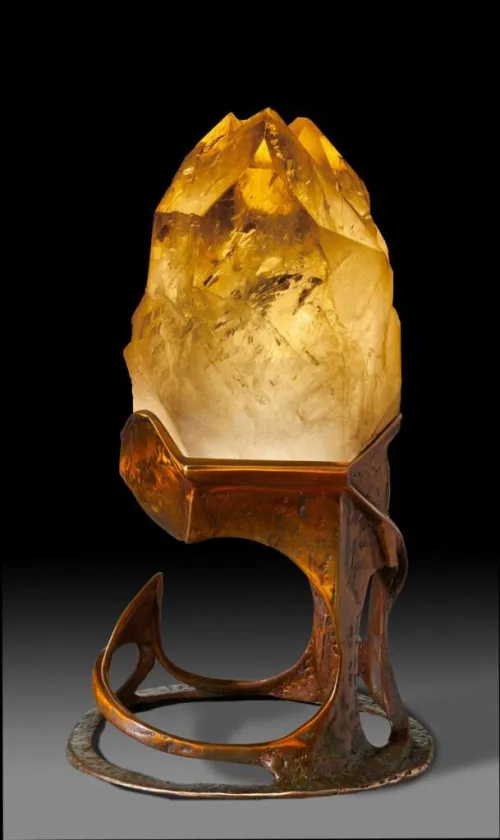
Several easily observable signs help track ongoing safety: stable water clarity through the glass, unchanged crystal color over time, and absence of developing cloudiness around the mineral. Noticeable surface changes like new scratches, milky patches, or waterline residues warrant immediate cleaning.
Monitor Water Clarity: Hold the container against a light source. Fresh cloudiness near the stone may indicate residues.
Inspect Surface Consistency: Look for new chalky spots or rainbow-like film which can signal trapped moisture reacting.
Check for Color Shifts: Fading along the waterline suggests light-sensitivity while artificial stones may leach dyes.
Scan for Deposits: Hard-water rings or crystalline build-up on glass call for vinegar cleaning.
Adaptability to your indoor lighting conditions can temporarily alter visual perception without affecting core integrity. For example, warmer bulbs may deepen the yellow hue. Durability features built into natural citrine include resistance to scratching from gentle handling. But consistent transparency helps—it remains reliable for noticing abnormalities early. If you see tiny bubbles clinging long-term to crevices, it might point toward porous material. Visual markers, such as maintaining uniform honey tones alongside pristine bottle walls, build confidence during usage.
Safety peaks when pairing high-clarity, untreated citrine with filtered water changed every 24–48 hours, stored away from direct sunlight and cleaned weekly using mild dish soap and soft brushes. Avoid continuous immersion for stones glued in jewelry.
Functional design ensures most citrine works seamlessly in common rounded glass or ceramic containers—no special vessels needed. When cleaning, gently wipe surfaces rather than scraping to preserve integrity. Storage variables like high heat (e.g., near radiators) or freezing conditions may affect appearance over time but rarely cause shattering. Protective measures during storage help: soft pouches or boxes prevent hard impacts and accidental scratches. During usage, surface texture plays a role—smooth tumbled stones resist micro-particle buildup better. And while thermal expansion from temperature swings tends to stay within safe margins, sudden transitions (like chilled water to a hot dishwasher) aren’t advised. Routine maintenance keeps longevity on your side: brief vinegar soaks dissolve mineral deposits without harming quartz.
Not all citrine water concerns are equally valid. Artificial "heating safety" myths overlook that quality natural citrine withstands typical ambient temperatures safely. Likewise, exaggerated fears about heavy metal leaching usually apply only to dyed materials—unlike plain crystalline citrine.
A frequent source of confusion lies in online photography: images captured with intense backlighting can imply improbable water luminescence. In reality, transparency tends to remain consistent under normal home lighting. Another misbelief involves "structured water" claims; while water does develop harmless air bubbles around quartz, no proven structural shifts occur. Environmental interactions like moderate solar exposure might fade vibrantly colored heated amethyst falsely sold as citrine—real citrine typically retains its hue. User feedback indicates that differences in tactile sensation often stem from surface finish variations (polished vs. natural points), rather safety concerns. Thermal resilience generally handles typical indoor fluctuations without fracturing.
If you take nothing else from this guide, remember these three pillars for worry-free citrine water: Visual clarity is your frontline indicator—consistently clear water signals fitness for continued use. Prioritize regular maintenance—frequent water changes and gentle crystal cleaning prevent nearly all common issues. When first preparing citrine water, always start with genuinely untreated mineral specimens paired with filtered water. By focusing just on these core elements—observing the water’s appearance, sticking to basic upkeep routines, and verifying your stone isn’t artificially enhanced—you sidestep major pitfalls without overcomplicating things.
Q: Does citrine water lose its alleged metaphysical properties over time?
A: We can’t validate any metaphysical claims, scientifically. As a physical object, however, the mineral’s appearance and structure typically stay consistent with proper care.
Q: Can tap water damage real citrine?
A: Hard tap water may leave mineral deposits on stone surfaces or container walls over weeks of storage. These can generally be cleaned with diluted vinegar without harming the quartz itself.
Q: How often should I replace the citrine stone entirely?
A: Unless visibly fractured, etched, or contaminated, natural citrine lasts indefinitely and doesn't require replacement. Surface alterations from handling don’t automatically mean reduced safety.


$
