To charge citrine, place it in gentle morning sunlight for 1-2 hours or under overnight moonlight. This simple practice helps maintain its warm, golden color by leveraging natural light’s interaction with its crystalline structure. If you’re reading this, you likely own a piece of citrine jewelry or a crystal and want to know the best way to care for it. Beyond the basic method, questions arise: Does sunlight fade citrine? Can fake citrine be charged? Why do online photos look so different? This guide cuts through the myths, providing clear, actionable steps based on the material science of quartz and years of hands-on experience with crystal care. We’ll explain not just the “how,” but the “why,” helping you integrate effective citrine charging into your routine.
The most effective and natural ways to charge citrine involve exposure to specific types of light. The goal is gentle energization, not harsh treatment.
Morning sunlight is ideal. Place your citrine in a spot that receives direct, gentle morning sun (before 10 AM) for 1-2 hours. The shorter duration and lower UV intensity prevent potential fading, a concern noted by the Gemological Institute of America (GIA) for some colored quartz. In our experience, this regular, brief exposure is more effective and safer than infrequent, all-day sessions.
For a softer charge or for stones with deep color you wish to preserve, place citrine on a windowsill or outdoors under a full or bright moon overnight. Moonlight provides a subtle, reflective light charge many users find ideal for setting intentions.
While light is primary, other methods focus on intentionality:
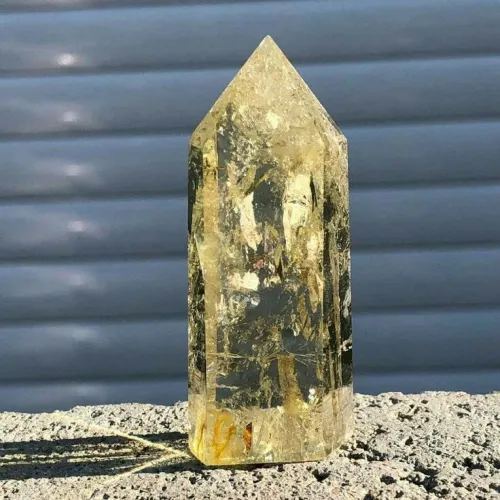
Understanding the physics demystifies the process. Natural citrine is a variety of quartz (silicon dioxide) whose yellow-to-orange hue comes from trace amounts of iron within its crystalline lattice, as established in mineralogical studies.
When light (photons) enters the crystal, the iron impurities absorb certain wavelengths (like blues) and allow others (yellows, oranges) to pass through or scatter, creating the warm color we see. Moderate light exposure can influence this electron activity, potentially leading to a temporary increase in color saturation or vibrancy. It’s a photonic interaction, not an “energy battery” in the mystical sense. This is why how light affects citrine color is predictable: the right light enhances its natural property; too much harsh light can, over years, potentially lead to fading.
Consistency is key. Here’s how to make citrine care and charging a seamless part of your routine:
Our recommendation from practice: Users who integrate charging into an existing habit (like a morning routine) report far more consistent results than those who try to remember a standalone, complicated process.
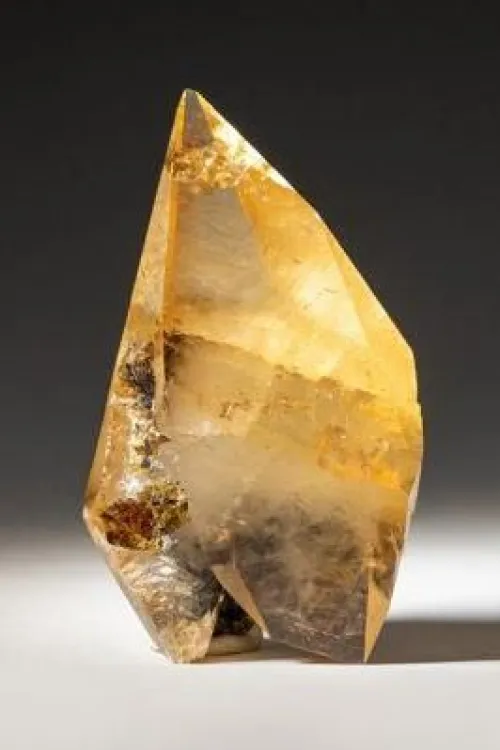
With regular use and charging, you may notice subtle changes. Many long-term owners observe a deepening of warm tones over several years. To maintain your citrine:
Not all citrine is equal. Natural citrine often has slight imperfections, while heat-treated amethyst (sold as citrine) may have a smoky undertone. Lab-created citrine is often perfectly uniform.
To evaluate if your charging is working, perform a simple observational test: Note the stone’s color in consistent, neutral light once a week. Effective charging may result in a perceptible brightening or deepening of its natural gold tones, not a dramatic color change.
Let’s clarify widespread misconceptions to build a trustworthy understanding:
| Myth | Fact |
|---|---|
| “Charging makes citrine glow or change color radically.” | Natural charging only enhances its existing color vibrancy slightly. Dramatic “orange” photos online are often edited or use artificial lighting. |
| “You must charge it for exactly 24 hours under a full moon.” | Overnight is sufficient. Consistency (monthly) matters more than precise duration. |
| “Synthetic citrine can’t be charged.” | Lab-created citrine, being quartz, interacts with light similarly, though its uniform structure may show less dynamic variation. |
| “Charging is a spiritual guarantee.” | The practice is a tool for focus and intention. Its value is personal and subjective, not a scientifically proven effect. |
To successfully charge citrine, remember: gentle, consistent light exposure is the foundation. Use morning sun for 1-2 hours or moonlight overnight. Understand that you’re working with a natural mineral whose beauty comes from trace elements and light physics. Integrate charging into your daily routine for the best results, and always prioritize the physical care of your stone. By following these grounded citrine care and charging tips, you can confidently maintain the vibrant beauty of your citrine for years to come.


$
