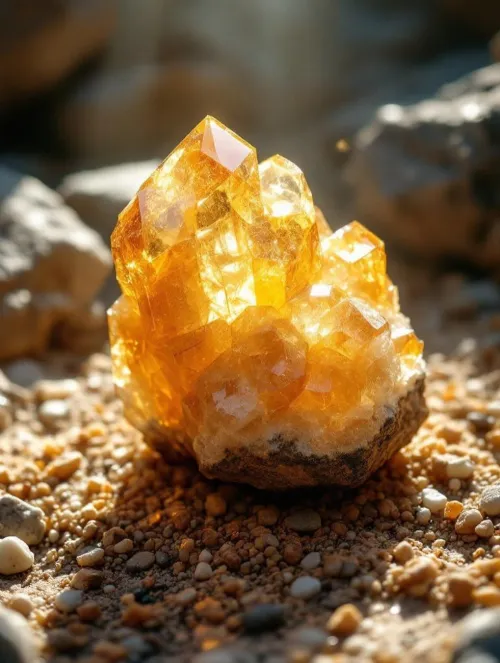
You’re scrolling through jewelry listings online, holding a gift box from a friend, or standing before a gem counter—suddenly wondering if this golden gem fits your complexion, lifestyle, or beliefs. Beyond the main question, many wonder how lighting changes its appearance, whether it’s a true gemstone, or how to pronounce it (it’s "si-treen"). We’ll cover these nuances while addressing wearability through key aspects every potential wearer should consider.
1. What makes citrine so accessible to different wearers?
2. What factors influence how citrine works with your skin and style?
3. How does it hold up to actual daily wear in different settings?
4. How can anyone spot quality signs when evaluating pieces?
5. What common misunderstandings need clarifying before choosing?
Yes, anyone interested can wear citrine regardless of age or style preference. The gem naturally occurs in a full golden-to-orange spectrum that harmonizes with cool, warm, and neutral skin undertones.
Composed of silicon dioxide with trace iron that creates its yellow-to-amber palette, citrine’s hues tend to shift slightly between natural sunlight and indoor lamps—flattering in varied contexts. While some gems target specific markets, designs intentionally incorporate citrine in simple studs or statement pieces to accommodate minimalists and maximalists alike. Skin compatibility concerns are largely unfounded, as few experience irritation from this quartz family member.
Three major elements affect how any citrine piece works for you: color interaction, design balance, and lifestyle alignment. The stone’s warmth can either contrast or complement your natural coloring.
With a typical hardness of 7 on the Mohs scale, citrine withstands everyday wear without significant chipping or erosion, though long-term friction may develop minor surface scratches. In warm artificial lighting—like restaurants or evening events—the gem might appear more saturated, enhancing its golden tones against outfits and skin. Metal choice matters: yellow gold settings intensify warmth, while white metals create modern contrast. Sizing and cut directly impact comfort; an oversized cocktail ring could interfere with computer work, while a well-fit pendant sits comfortably.
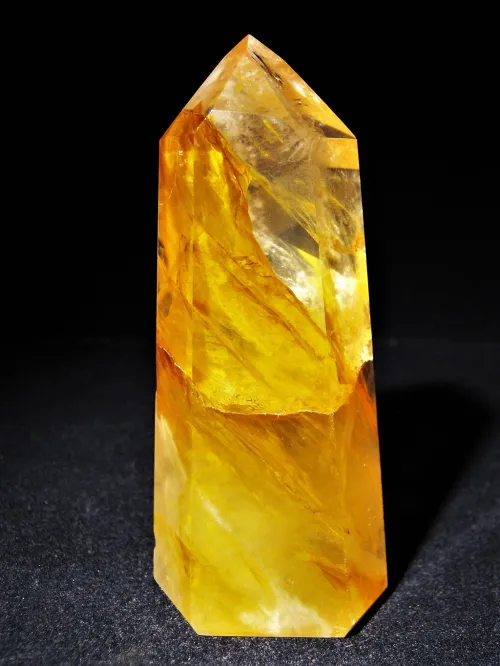
Wearers report it maintains functionality across activities from office tasks to events, though protection helps longevity. It’s more resilient than softer gems against accidental knocks.
Over years, minor scratches may develop on the surface—visible under magnification but rarely noticeable during wear. For active lifestyles, settings with protective bezels or raised prongs help prevent chips. Citrine tends to look consistent whether clean or slightly smudged thanks to its translucency, which creates depth as light penetrates facets. One practical observation: online images often capture citrine as brighter than reality due to studio lighting, while soft daylight reveals its truer hue. For sustained sparkle, occasional cleaning with mild soap water minimizes residue that can dull its natural glow.
Look for consistent color distribution and cuts that enhance light play—avoiding stones with heavy inclusions near edges or extreme cloudiness.
Natural variations exist: some citrine might show faint lines or internal patterns called "growth lines," which gemologists use to verify origins but don’t compromise durability. Heat-treated alternatives (often from amethyst) tend to display extremely uniform orange tones, differing from natural citrine’s subtle color gradients.
Wearability myths include fragility fears and restricted suitability, yet citrine’s material properties and visual range make it versatile for most.
Compared to softer ornamental gems opals or pearls, citrine tends to resist abrasions from keys or counters better. Some believe it’s only suitable for specific seasons—yet its golden tones can brighten winter outfits and complement summer hues equally. Durability-wise, protective settings and avoiding harsh chemicals (like chlorine or bleach) keep surfaces intact for decades. Synthetic versions often appear unnaturally vibrant in photos, differing from earth-mined options that may exhibit soft inclusions—natural signatures that don’t affect structural stability.
While citrine suits virtually anyone attracted to its glow, prioritize two checks: view samples under various lights to see true color before deciding, and match setting designs to your daily routines. Remember—its warmth enhances rather than clashes with diverse complexions.
Q: Can anyone with sensitive skin wear citrine safely?
A: Most citrine pieces cause no issues, though very sensitive individuals might choose low-contact designs like pendants over rings.
Q: Does cheaper citrine mean lower quality for wearers?
A: Lower price points may reflect treated stones or lighter saturation rather than poor wearability, so prioritize appearance preferences.
Q: How long can daily worn citrine maintain its look?
A> With care, surface scratches may develop gradually over years but rarely impair visibility unless subjected to harsh impacts or chemicals.


$
